
Business
Qatar Leases LNG Carriers as Market Faces Severe Disruptions

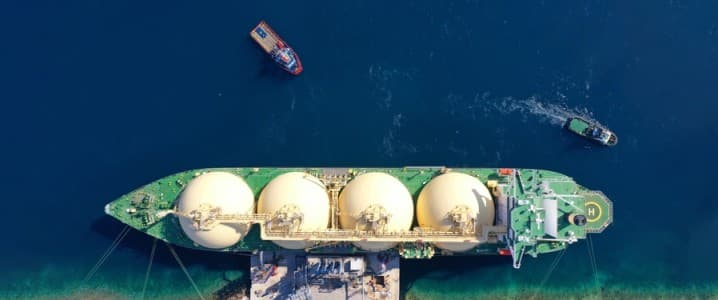
Qatar has taken decisive action in response to a significant crisis in the liquefied natural gas (LNG) market by offering two LNG carriers for lease. This move comes amid a severe vessel shortage and skyrocketing daily charter rates, as reported by Bloomberg, citing unnamed trading sources. The LNG carriers are currently located off the west coast of Africa, reflecting the growing urgency within the market.
The crisis has been exacerbated by traffic disruptions in the Strait of Hormuz, leading to a dramatic increase in charter rates. Rates for LNG vessels on the route between the U.S. Gulf Coast and Europe surged from approximately $40,000 per day last week to as high as $300,000 per day. A similar trend is observed on the Gulf Coast-Asia route, where rates jumped from about $42,000 per day to the same staggering figure.
Earlier this week, QatarEnergy suspended production of liquefied natural gas at the world’s largest facility due to strikes in Iran. The resumption of production could take several weeks, contingent on the cessation of military actions in the region. Following the suspension, QatarEnergy issued a force majeure declaration, halting exports of LNG. This situation is critical, considering that Qatar, along with the UAE, accounts for approximately a fifth of the world’s liquefied gas supply.
Impact on Global LNG Market
The Ras Laffan LNG facility in Qatar is designed to process gas from the massive North Field, which is shared with Iran. Since the early 2010s, Qatar has maintained a dominant position in the global LNG market, a status that current U.S. or Australian supplies cannot match in terms of single-source volume. This dominance has influenced global pricing and planning significantly.
While the majority of Qatari LNG is exported to Asia, Europe is also experiencing severe repercussions from the Hormuz crisis. As the global market tightens, the price premium for LNG in Asia over European prices has soared, diverting available spot supplies towards Asian importers.
“There’s no spare capacity in the LNG market, so the disruption could be immediate and immense,” stated Claire Jungman, Director of Maritime Risk & Intelligence at energy market analytics firm Vortexa, earlier this week. This statement underscores the potential for immediate consequences in the energy sector as the situation unfolds.
As the world grapples with the implications of these disruptions, the LNG market faces a critical juncture. With Qatar’s strategic moves and the ongoing geopolitical tensions, stakeholders are closely monitoring the developments that could reshape the energy landscape for the foreseeable future.

Moyes Faces Referee Controversy Ahead of Everton vs Chelsea Clash

Man Hospitalised After Assault Outside Shop in Sandwell

Fred MacAulay and Ally McCoist Reunite for Special World Cup Show

NoOnes Targets $1 Trillion Gift Card Market to Enhance Crypto Access

Beloved Actor Matt Clark Passes Away at 89, Fans Mourn Loss

Discover How Milk Thistle Supplements Enhance Liver Health

Irish Community Care Celebrates 60 Years of Support in Liverpool

New Affordable Housing Development Planned for Crawley Site

Millions of Parking Tickets Issued Amid Calls for Reform

Claire Tomlinson Bids Farewell to Sky Sports After 27 Years

Iconic 90s TV Show House Hits Market for £1.1 Million

Tributes Flow for Kerry Gentle, Beloved RNLI Volunteer and Artist

Milk Bank Urges Mothers to Donate for Premature Babies’ Health

Shoppers Flock to Discounted Neck Pillow on Amazon for Travel Comfort

Alessia Russo Signs Long-Term Deal with Arsenal Ahead of WSL Season

Nathan Cleary’s Family Celebrates Engagement Amid Romance Rumors

Museums Body Critiques EHRC Proposals on Gender Facilities

Trump Visits Europe: Business, Politics, or Leisure?
-
 Lifestyle3 months ago
Claire Tomlinson Bids Farewell to Sky Sports After 27 Years
-
 Entertainment6 months ago
Iconic 90s TV Show House Hits Market for £1.1 Million
-
 Lifestyle3 months ago
Tributes Flow for Kerry Gentle, Beloved RNLI Volunteer and Artist
-
 Lifestyle8 months ago
Milk Bank Urges Mothers to Donate for Premature Babies’ Health
-
 Lifestyle8 months ago
Shoppers Flock to Discounted Neck Pillow on Amazon for Travel Comfort
-
 Sports7 months ago
Alessia Russo Signs Long-Term Deal with Arsenal Ahead of WSL Season
-
 Sports8 months ago
Nathan Cleary’s Family Celebrates Engagement Amid Romance Rumors
-
 Politics8 months ago
Museums Body Critiques EHRC Proposals on Gender Facilities
-
 Business8 months ago
Trump Visits Europe: Business, Politics, or Leisure?
-

 Sports5 months ago
Nuneaton Town FC Advances Plans for New Stadium in Stockingford
-

 Lifestyle8 months ago
Japanese Teen Sorato Shimizu Breaks U18 100m Record in 10 Seconds
-

 Lifestyle8 months ago
Exploring England’s Cathedrals: A Journey Through History and Architecture