
Business
UK Households Urged to Save on Energy Bills Amid Price Increases

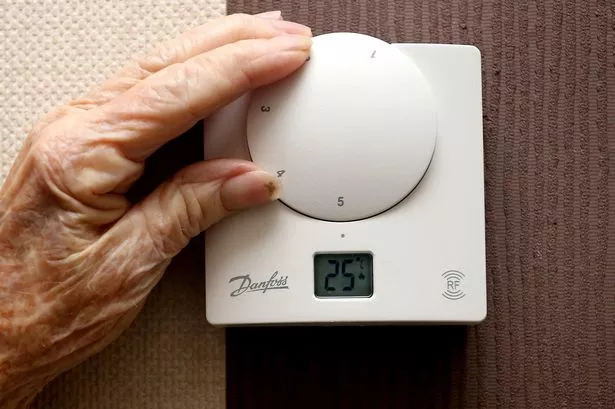
Households across the UK are facing increased energy costs as of January 1, 2026, due to a slight rise in the price cap set by the energy regulator, Ofgem. For customers on variable tariffs, this translates to a 0.2% increase, amounting to an additional £3 on the average annual energy bill. This change is particularly impactful for millions of households in England, Scotland, and Wales, where energy bills are already a significant concern.
To mitigate the financial burden, major energy suppliers, including British Gas, Octopus Energy, and OVO Energy, are encouraging customers to consider simple adjustments that could lead to substantial savings. According to a recent study by BOXT, UK households could potentially save over £500 on their annual energy expenses by implementing a few changes.
Strategies for Reducing Energy Costs
The findings from BOXT reveal that nearly half of Britons (48%) are contemplating forgoing heating altogether this winter to manage costs. Alarmingly, 73% of respondents identified reducing heating expenses as their primary financial priority. Adam Knight, Lead Engineer at BOXT, emphasized the importance of maintaining a warm home while seeking savings. He cautioned against the health risks associated with cutting back on heating, which could lead to respiratory issues and increased illness.
One effective strategy highlighted by Knight is to heat only the rooms currently in use. This tactic could yield savings of approximately £174 annually. Furthermore, the adoption of smart thermostats can enhance energy management, allowing users to control heating via their smartphones. These devices help track energy consumption and demonstrate how usage varies at different times, contributing to long-term savings.
Potential Savings by Property Type
The potential savings vary significantly based on property type. Detached homes could see savings of up to £569 a year, while semi-detached houses might save around £361. Bungalows could save roughly £315, mid-terrace homes about £295, and flats might achieve savings of around £131.
As energy prices continue to rise, the call for proactive measures to enhance energy efficiency has never been more critical. Consumers are encouraged to explore these options to navigate the financial challenges posed by increasing energy costs.

Moyes Faces Referee Controversy Ahead of Everton vs Chelsea Clash

Man Hospitalised After Assault Outside Shop in Sandwell

Fred MacAulay and Ally McCoist Reunite for Special World Cup Show

NoOnes Targets $1 Trillion Gift Card Market to Enhance Crypto Access

Beloved Actor Matt Clark Passes Away at 89, Fans Mourn Loss

Discover How Milk Thistle Supplements Enhance Liver Health

Irish Community Care Celebrates 60 Years of Support in Liverpool

New Affordable Housing Development Planned for Crawley Site

Millions of Parking Tickets Issued Amid Calls for Reform

Claire Tomlinson Bids Farewell to Sky Sports After 27 Years

Iconic 90s TV Show House Hits Market for £1.1 Million

Tributes Flow for Kerry Gentle, Beloved RNLI Volunteer and Artist

Nathan Cleary’s Family Celebrates Engagement Amid Romance Rumors

Milk Bank Urges Mothers to Donate for Premature Babies’ Health

Shoppers Flock to Discounted Neck Pillow on Amazon for Travel Comfort

Alessia Russo Signs Long-Term Deal with Arsenal Ahead of WSL Season

Nuneaton Town FC Advances Plans for New Stadium in Stockingford

Museums Body Critiques EHRC Proposals on Gender Facilities
-
 Lifestyle6 months ago
Claire Tomlinson Bids Farewell to Sky Sports After 27 Years
-
 Entertainment9 months ago
Iconic 90s TV Show House Hits Market for £1.1 Million
-
 Lifestyle6 months ago
Tributes Flow for Kerry Gentle, Beloved RNLI Volunteer and Artist
-
 Sports11 months ago
Nathan Cleary’s Family Celebrates Engagement Amid Romance Rumors
-
 Lifestyle11 months ago
Milk Bank Urges Mothers to Donate for Premature Babies’ Health
-
 Lifestyle11 months ago
Shoppers Flock to Discounted Neck Pillow on Amazon for Travel Comfort
-
 Sports10 months ago
Alessia Russo Signs Long-Term Deal with Arsenal Ahead of WSL Season
-
 Sports8 months ago
Nuneaton Town FC Advances Plans for New Stadium in Stockingford
-
 Politics11 months ago
Museums Body Critiques EHRC Proposals on Gender Facilities
-

 Lifestyle11 months ago
Exploring England’s Cathedrals: A Journey Through History and Architecture
-

 Business11 months ago
Trump Visits Europe: Business, Politics, or Leisure?
-

 Lifestyle11 months ago
Japanese Teen Sorato Shimizu Breaks U18 100m Record in 10 Seconds