
Health
NHS Enhances Bowel Cancer Screening to Detect More Cases Early

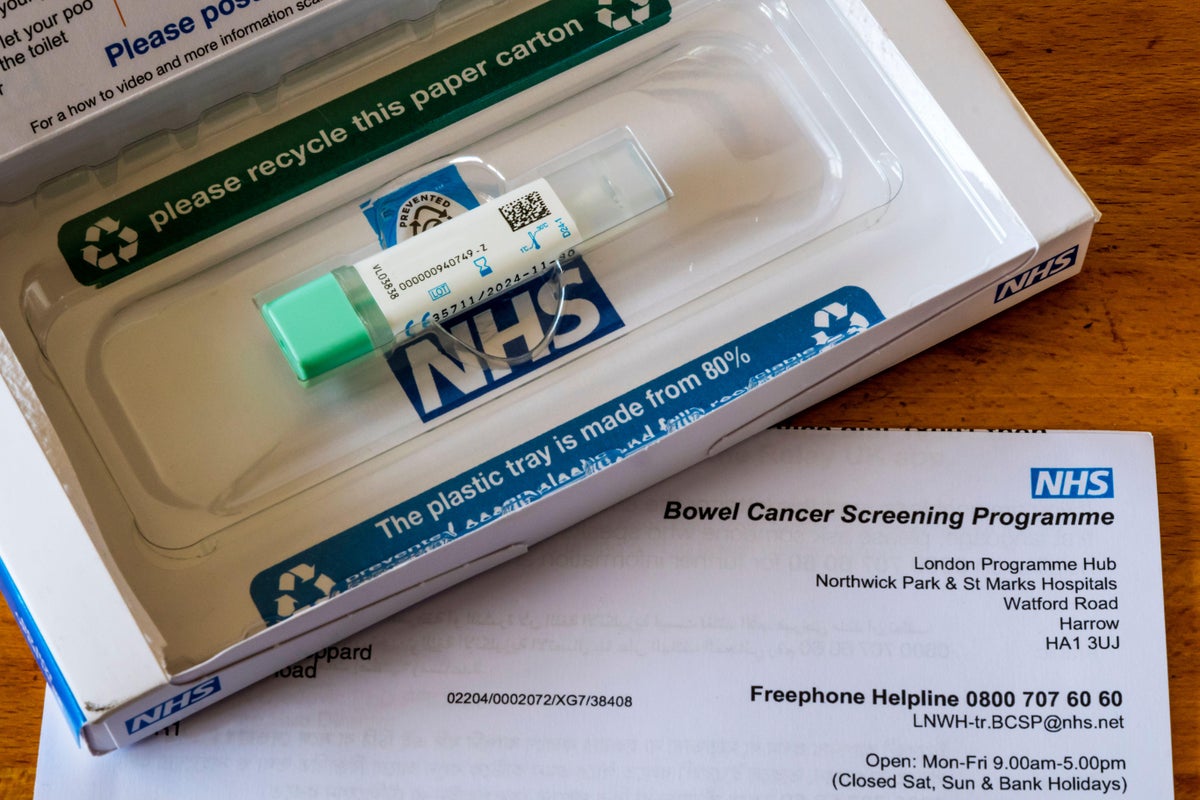
NHS England is set to overhaul its bowel cancer screening programme, aiming to identify thousands more cases at an earlier, more treatable stage. Beginning in March 2024, the health service will lower the detection threshold for its home-screening stool kits, a move designed to align England’s procedures with those already in place in Scotland and Wales.
The adjustment is expected to lead to the early detection of an additional 600 bowel cancer cases each year, representing an 11 percent increase in current figures. This change will also facilitate checks for thousands more individuals, including approximately 2,000 additional people with high-risk polyps, which are growths in the bowel that can develop into cancer.
To accommodate the rise in identified cases, NHS England anticipates performing 35 percent more colonoscopies, translating to around 34,000 extra procedures annually. The home-testing kit, known as the faecal immunochemical test (FIT), is available for everyone over the age of 50. It works by detecting signs of blood in a stool sample, measuring micrograms of human haemoglobin per gram of faeces.
Under the new guidelines, the FIT screening threshold will be adjusted from 120μg Hb/g to 80μg Hb/g, aligning with the thresholds used in Scotland and Wales. This change is projected to reduce late-stage diagnoses and bowel cancer-related deaths in England by approximately 6 percent, potentially saving the NHS around £32 million annually.
The UK National Screening Committee (NSC) recommends an optimal threshold of 20μg Hb/g, but due to the increased demand on NHS services, including colonoscopy and pathology, the NSC has advised a gradual approach to achieving this goal.
To further improve participation in the screening programme, NHS England plans to introduce new digital alerts notifying individuals when their kits are on the way. This initiative is part of the Government’s National Cancer Plan, which aims to transform cancer care by 2035, with further details to be published next week.
Peter Johnson, the national clinical director for cancer at NHS England, stated, “This is a major step forward in bowel cancer detection and will help save hundreds more lives from this devastating disease. Testing at a lower threshold will now provide a better early-warning system for bowel cancer, helping us to spot and treat cancers earlier, often picking up problems before symptoms appear.”
Genevieve Edwards, chief executive of Bowel Cancer UK, emphasized the importance of the changes, saying, “Increasing the sensitivity of the test means more cancers will be prevented and found earlier, saving more lives from the UK’s fourth most common cancer.”
Michelle Mitchell, chief executive of Cancer Research UK, highlighted the significance of this adjustment. “This vital step from NHS England to lower the threshold for further tests after bowel screening will save lives. It means more cancers will be detected at an earlier stage, when treatment is more likely to be successful.”
Currently, around 2 percent of individuals who take the FIT test require further investigation, a figure expected to rise to 3 percent with the new threshold. In Northern Ireland, the FIT threshold will remain at 120μg. This comprehensive adjustment signifies a concerted effort by NHS England to improve early detection of bowel cancer, ultimately aiming to enhance patient outcomes across the nation.

Moyes Faces Referee Controversy Ahead of Everton vs Chelsea Clash

Man Hospitalised After Assault Outside Shop in Sandwell

Fred MacAulay and Ally McCoist Reunite for Special World Cup Show

NoOnes Targets $1 Trillion Gift Card Market to Enhance Crypto Access

Beloved Actor Matt Clark Passes Away at 89, Fans Mourn Loss

Discover How Milk Thistle Supplements Enhance Liver Health

Irish Community Care Celebrates 60 Years of Support in Liverpool

New Affordable Housing Development Planned for Crawley Site

Millions of Parking Tickets Issued Amid Calls for Reform

Claire Tomlinson Bids Farewell to Sky Sports After 27 Years

Iconic 90s TV Show House Hits Market for £1.1 Million

Nathan Cleary’s Family Celebrates Engagement Amid Romance Rumors

Tributes Flow for Kerry Gentle, Beloved RNLI Volunteer and Artist

Milk Bank Urges Mothers to Donate for Premature Babies’ Health

Shoppers Flock to Discounted Neck Pillow on Amazon for Travel Comfort

Alessia Russo Signs Long-Term Deal with Arsenal Ahead of WSL Season

Nuneaton Town FC Advances Plans for New Stadium in Stockingford

Exploring England’s Cathedrals: A Journey Through History and Architecture
-
 Lifestyle8 months ago
Claire Tomlinson Bids Farewell to Sky Sports After 27 Years
-
 Entertainment11 months ago
Iconic 90s TV Show House Hits Market for £1.1 Million
-
 Sports1 year ago
Nathan Cleary’s Family Celebrates Engagement Amid Romance Rumors
-
 Lifestyle8 months ago
Tributes Flow for Kerry Gentle, Beloved RNLI Volunteer and Artist
-
 Lifestyle1 year ago
Milk Bank Urges Mothers to Donate for Premature Babies’ Health
-
 Lifestyle1 year ago
Shoppers Flock to Discounted Neck Pillow on Amazon for Travel Comfort
-
 Sports12 months ago
Alessia Russo Signs Long-Term Deal with Arsenal Ahead of WSL Season
-
 Sports9 months ago
Nuneaton Town FC Advances Plans for New Stadium in Stockingford
-
 Lifestyle1 year ago
Exploring England’s Cathedrals: A Journey Through History and Architecture
-

 Politics1 year ago
Museums Body Critiques EHRC Proposals on Gender Facilities
-

 Business1 year ago
Trump Visits Europe: Business, Politics, or Leisure?
-

 Lifestyle1 year ago
Japanese Teen Sorato Shimizu Breaks U18 100m Record in 10 Seconds