
Health
Nipah Virus Claims Life: Understanding Symptoms and Risks

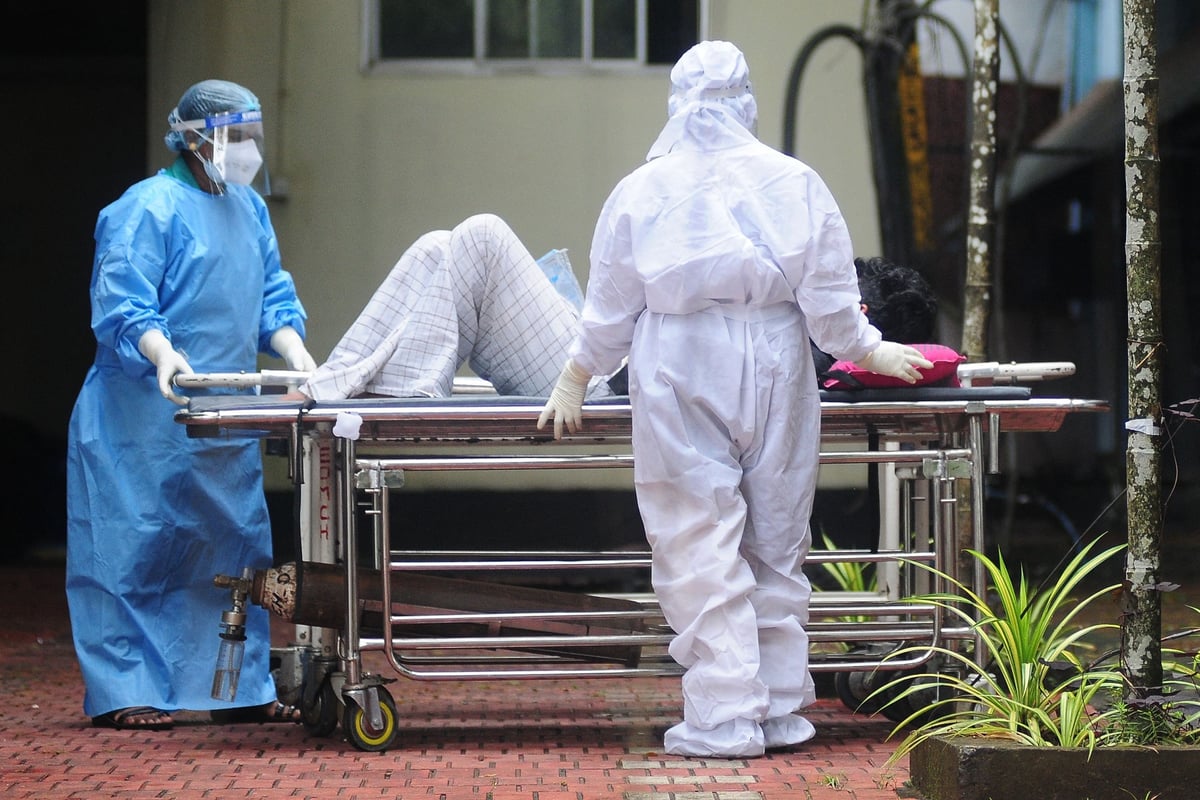
A recent outbreak of the Nipah virus in Kerala, India, has resulted in the death of a woman, raising significant health concerns in the region. The woman, who passed away on March 30, 2023, was diagnosed with the virus, which is known for its high fatality rate of up to 70%. Health authorities are urging the public to remain vigilant as they investigate the source of this outbreak.
Nipah virus is a zoonotic virus, which means it can be transmitted from animals to humans. It is primarily spread through contact with infected bats, pigs, or contaminated food. Symptoms can be severe, ranging from fever and headache to respiratory distress and neurological issues. Early detection and isolation are crucial for managing cases, as the virus can spread rapidly in communities.
Authorities in Kerala are taking necessary precautions, including contact tracing and monitoring those who may have been exposed to the virus. According to the World Health Organization, the Nipah virus poses a significant threat due to its potential for outbreaks, particularly in areas where humans come into close contact with infected animals.
Symptoms and Transmission of Nipah Virus
Symptoms of Nipah virus infection typically appear within 5 to 14 days after exposure. Initial signs include high fever, headache, and muscle pain, which can escalate to more severe symptoms like confusion, seizures, and coma. The rapid progression of the disease requires immediate medical attention, as timely intervention can be life-saving.
Transmission can occur through direct contact with the bodily fluids of infected individuals or animals. It can also spread through consumption of contaminated food or water. Given its high mortality rate, public health officials are emphasizing the importance of hygiene practices to prevent further spread.
Local health departments are working closely with the Indian Ministry of Health to manage the situation. Surveillance measures are being enhanced, and awareness campaigns are being launched to educate the public about recognizing symptoms and understanding transmission risks.
Public Health Response and Future Precautions
In response to the outbreak, health authorities have reinforced infection control measures in hospitals and clinics. Health workers are receiving training on how to manage suspected cases safely. The government is also collaborating with international health organizations to ensure that adequate resources are available for testing and treatment.
As health officials continue to monitor the situation, they stress the importance of community cooperation. Individuals are encouraged to report any unusual illness promptly and to adhere to guidelines issued by health authorities.
The Nipah virus outbreak highlights the need for ongoing vigilance in public health. The potential for zoonotic diseases to emerge and spread underscores the importance of robust health systems and international cooperation in managing infectious diseases.
Public awareness and education are vital in preventing future outbreaks. By understanding the signs and symptoms of Nipah virus, communities can help protect themselves and reduce the risk of transmission.

Moyes Faces Referee Controversy Ahead of Everton vs Chelsea Clash

Man Hospitalised After Assault Outside Shop in Sandwell

Fred MacAulay and Ally McCoist Reunite for Special World Cup Show

NoOnes Targets $1 Trillion Gift Card Market to Enhance Crypto Access

Beloved Actor Matt Clark Passes Away at 89, Fans Mourn Loss

Discover How Milk Thistle Supplements Enhance Liver Health

Irish Community Care Celebrates 60 Years of Support in Liverpool

New Affordable Housing Development Planned for Crawley Site

Millions of Parking Tickets Issued Amid Calls for Reform

Claire Tomlinson Bids Farewell to Sky Sports After 27 Years

Iconic 90s TV Show House Hits Market for £1.1 Million

Nathan Cleary’s Family Celebrates Engagement Amid Romance Rumors

Tributes Flow for Kerry Gentle, Beloved RNLI Volunteer and Artist

Milk Bank Urges Mothers to Donate for Premature Babies’ Health

Shoppers Flock to Discounted Neck Pillow on Amazon for Travel Comfort

Alessia Russo Signs Long-Term Deal with Arsenal Ahead of WSL Season

Nuneaton Town FC Advances Plans for New Stadium in Stockingford

Exploring England’s Cathedrals: A Journey Through History and Architecture
-
 Lifestyle8 months ago
Claire Tomlinson Bids Farewell to Sky Sports After 27 Years
-
 Entertainment11 months ago
Iconic 90s TV Show House Hits Market for £1.1 Million
-
 Sports1 year ago
Nathan Cleary’s Family Celebrates Engagement Amid Romance Rumors
-
 Lifestyle8 months ago
Tributes Flow for Kerry Gentle, Beloved RNLI Volunteer and Artist
-
 Lifestyle1 year ago
Milk Bank Urges Mothers to Donate for Premature Babies’ Health
-
 Lifestyle1 year ago
Shoppers Flock to Discounted Neck Pillow on Amazon for Travel Comfort
-
 Sports12 months ago
Alessia Russo Signs Long-Term Deal with Arsenal Ahead of WSL Season
-
 Sports9 months ago
Nuneaton Town FC Advances Plans for New Stadium in Stockingford
-
 Lifestyle1 year ago
Exploring England’s Cathedrals: A Journey Through History and Architecture
-

 Politics1 year ago
Museums Body Critiques EHRC Proposals on Gender Facilities
-

 Business1 year ago
Trump Visits Europe: Business, Politics, or Leisure?
-

 Lifestyle1 year ago
Japanese Teen Sorato Shimizu Breaks U18 100m Record in 10 Seconds