
Health
Scientists Develop Promising Nasal Spray Vaccine for Respiratory Illnesses

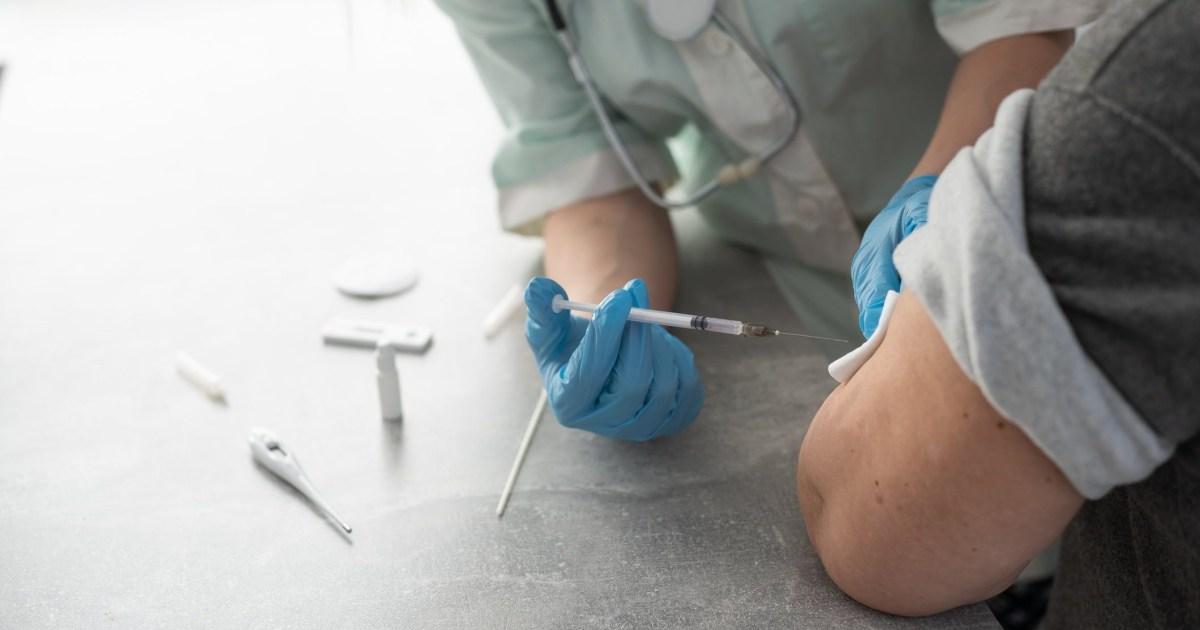
Researchers at Stanford Medicine have made significant advancements towards a universal vaccine capable of protecting against common respiratory illnesses, including colds, flu, and COVID-19. This innovative solution, a nasal spray rather than a traditional injection, promises to enhance immunity against various viral and bacterial infections as well as allergy triggers.
The findings, published in the journal Science, are based on animal studies that exhibited encouraging results. The lead author, Dr. Bali Pulendran, director of the Institute for Immunity, Transplantation and Infection at Stanford Medicine, highlighted the vaccine’s potential, stating, “Imagine getting a nasal spray in the fall months that protects you from all respiratory viruses including COVID-19, influenza, respiratory syncytial virus, and the common cold, as well as bacterial pneumonia and early spring allergens. That would transform medical practice.”
The vaccine, designated GLA-3M-052-LS+OVA, operates differently from traditional vaccines. Instead of introducing a weakened virus or viral particles, the nasal spray stimulates the immune system by energizing T cells, which play a crucial role in immune responses. It includes a powerless version of an antigen to effectively mimic the communications between immune cells, thus preparing the body to combat infections.
In addition to its protective capabilities against respiratory viruses, the vaccine has shown effectiveness against the skin infection caused by Staphylococcus bacteria, which can lead to severe health complications if it enters the bloodstream. It also offers potential protection against Acinetobacter baumannii, a drug-resistant bacterium responsible for serious lung infections.
The implications of this research extend beyond current health concerns. With health officials closely monitoring the emergence of potential new diseases, often referred to as “disease X,” a universal vaccine could serve as a proactive measure against future pandemics. The World Health Organization (WHO) emphasizes the need for preparedness against diseases that governments are currently unprepared for.
Despite the promising results from animal studies, experts caution that further research is necessary before the nasal spray becomes widely available to the public. Brendan Wren, a professor of microbial pathogenesis at the London School of Hygiene and Tropical Medicine, noted that while the vaccine showcases potential, it is still in its preliminary stages. He anticipates that it may take at least a decade of extensive evaluation to ensure safety and efficacy before it can be approved for human use.
As researchers prepare to transition to human trials, the scientific community remains hopeful. The next phase involves exposing a small group of volunteers to various infections to assess the vaccine’s effectiveness and safety in humans. If successful, this development could mark a significant shift in how respiratory illnesses are managed, potentially eliminating the need for annual flu and COVID-19 vaccinations.
In summary, the development of a universal nasal spray vaccine represents a promising avenue in the fight against respiratory illnesses. Should further trials affirm its safety and effectiveness, it could redefine vaccination practices, offering a convenient and comprehensive solution for public health challenges.

Moyes Faces Referee Controversy Ahead of Everton vs Chelsea Clash

Man Hospitalised After Assault Outside Shop in Sandwell

Fred MacAulay and Ally McCoist Reunite for Special World Cup Show

NoOnes Targets $1 Trillion Gift Card Market to Enhance Crypto Access

Beloved Actor Matt Clark Passes Away at 89, Fans Mourn Loss

Discover How Milk Thistle Supplements Enhance Liver Health

Irish Community Care Celebrates 60 Years of Support in Liverpool

New Affordable Housing Development Planned for Crawley Site

Millions of Parking Tickets Issued Amid Calls for Reform

Claire Tomlinson Bids Farewell to Sky Sports After 27 Years

Iconic 90s TV Show House Hits Market for £1.1 Million

Nathan Cleary’s Family Celebrates Engagement Amid Romance Rumors

Tributes Flow for Kerry Gentle, Beloved RNLI Volunteer and Artist

Milk Bank Urges Mothers to Donate for Premature Babies’ Health

Shoppers Flock to Discounted Neck Pillow on Amazon for Travel Comfort

Alessia Russo Signs Long-Term Deal with Arsenal Ahead of WSL Season

Nuneaton Town FC Advances Plans for New Stadium in Stockingford

Exploring England’s Cathedrals: A Journey Through History and Architecture
-
 Lifestyle8 months ago
Claire Tomlinson Bids Farewell to Sky Sports After 27 Years
-
 Entertainment11 months ago
Iconic 90s TV Show House Hits Market for £1.1 Million
-
 Sports1 year ago
Nathan Cleary’s Family Celebrates Engagement Amid Romance Rumors
-
 Lifestyle8 months ago
Tributes Flow for Kerry Gentle, Beloved RNLI Volunteer and Artist
-
 Lifestyle1 year ago
Milk Bank Urges Mothers to Donate for Premature Babies’ Health
-
 Lifestyle1 year ago
Shoppers Flock to Discounted Neck Pillow on Amazon for Travel Comfort
-
 Sports12 months ago
Alessia Russo Signs Long-Term Deal with Arsenal Ahead of WSL Season
-
 Sports9 months ago
Nuneaton Town FC Advances Plans for New Stadium in Stockingford
-
 Lifestyle1 year ago
Exploring England’s Cathedrals: A Journey Through History and Architecture
-

 Politics1 year ago
Museums Body Critiques EHRC Proposals on Gender Facilities
-

 Business1 year ago
Trump Visits Europe: Business, Politics, or Leisure?
-

 Lifestyle1 year ago
Japanese Teen Sorato Shimizu Breaks U18 100m Record in 10 Seconds