
Health
Scientists Uncover Biofilms’ Role in Human Space Exploration

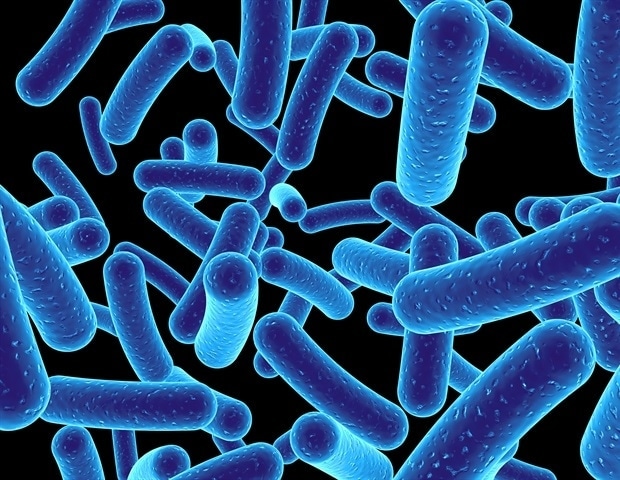
A global team of scientists has identified biofilms as a crucial element in the future of human space exploration. Researchers, including microbiologist Madhan Tirumalai from the University of Houston, recently published a review paper in the journal npj Biofilms and Microbiomes, highlighting both the risks and opportunities associated with these microbial communities in space environments.
Biofilms are structured communities of microorganisms, such as bacteria and fungi, that form a sticky matrix. These communities, often referred to as “microbial cities,” can share resources, communicate chemically, and protect themselves from environmental stressors. The research team, part of NASA’s Analysis Working Groups, focuses on how biofilms could impact astronaut health and serve as tools for sustaining life beyond Earth.
Astronauts aboard the International Space Station face unique challenges, including altered gravity, increased radiation, and changes to their immune systems. These factors can significantly stress the body, yet limited studies have explored how spaceflight affects the microbial communities and biofilms in the human body. To fill this gap, the research team utilized NASA’s Open Science Data Repository, which contains extensive genomic and biological data from past space missions.
“What effects do the spaceflight factors have on microbial communities and their biofilm-forming abilities?” asked Tirumalai, a research professor in the university’s Department of Biology and Biochemistry. “These gaps are important to examine because we need to address them as soon as possible if our dreams of human spaceflight and exploring the frontiers of space are to be fulfilled.”
Biofilms are not only relevant to space travel but are also prevalent in everyday life on Earth. According to lead author Katherine Baxter, a research scientist at the University of Glasgow, biofilms play essential roles in human health. Common examples include dental plaque, microbial buildup in water pipes, and the coatings on medical devices. Baxter emphasizes, “Biofilms are fundamental for life on Earth, and so they must be fundamental for life in space as well.”
In the context of spaceflight, biofilms may enhance microbial resistance to treatment. Tirumalai’s previous research indicates that genes associated with biofilm formation could mutate or adapt under space conditions, potentially increasing the microbes’ ability to form these protective communities. Additionally, biofilms are linked to the growing global issue of antibiotic resistance.
Despite these potential hazards, biofilms may also offer valuable applications for long-duration space missions. The findings from the research team could inform the development of biofilm-based technologies for spaceflight, including therapies to restore microbial balance, advanced drug delivery systems, and plant growth enhancers for space agriculture. Baxter noted, “It’s not just us going, ‘Oh, we’d quite like to see this happen.’ They’re in progress just now.”
In fall 2025, Tirumalai published additional research focused on how bacteria survive in spacecraft assembly clean rooms. These controlled environments aim to minimize contamination, highlighting the ongoing importance of understanding microbial behavior in space settings.
As humanity looks towards the stars, understanding the complex relationship between humans and microbes remains essential. “Humans have co-evolved with microbes for millions of years—microbes are on our skin; we have been living with them,” Tirumalai stated. “If we are to explore the frontiers of space, it cannot be separated from understanding how microbes respond to space and related conditions. A fundamental understanding of this is absolutely critical for us to explore space.”
The implications of these findings could shape future missions and technologies, paving the way for sustainable human presence beyond Earth. The research underscores the need to address microbial dynamics as integral to the success of human space exploration.
For further details, refer to the publication by Baxter et al. (2026) in npj Biofilms and Microbiomes.

Moyes Faces Referee Controversy Ahead of Everton vs Chelsea Clash

Man Hospitalised After Assault Outside Shop in Sandwell

Fred MacAulay and Ally McCoist Reunite for Special World Cup Show

NoOnes Targets $1 Trillion Gift Card Market to Enhance Crypto Access

Beloved Actor Matt Clark Passes Away at 89, Fans Mourn Loss

Discover How Milk Thistle Supplements Enhance Liver Health

Irish Community Care Celebrates 60 Years of Support in Liverpool

New Affordable Housing Development Planned for Crawley Site

Millions of Parking Tickets Issued Amid Calls for Reform

Claire Tomlinson Bids Farewell to Sky Sports After 27 Years

Iconic 90s TV Show House Hits Market for £1.1 Million

Tributes Flow for Kerry Gentle, Beloved RNLI Volunteer and Artist

Nathan Cleary’s Family Celebrates Engagement Amid Romance Rumors

Milk Bank Urges Mothers to Donate for Premature Babies’ Health

Shoppers Flock to Discounted Neck Pillow on Amazon for Travel Comfort

Alessia Russo Signs Long-Term Deal with Arsenal Ahead of WSL Season

Nuneaton Town FC Advances Plans for New Stadium in Stockingford

Museums Body Critiques EHRC Proposals on Gender Facilities
-
 Lifestyle6 months ago
Claire Tomlinson Bids Farewell to Sky Sports After 27 Years
-
 Entertainment9 months ago
Iconic 90s TV Show House Hits Market for £1.1 Million
-
 Lifestyle6 months ago
Tributes Flow for Kerry Gentle, Beloved RNLI Volunteer and Artist
-
 Sports11 months ago
Nathan Cleary’s Family Celebrates Engagement Amid Romance Rumors
-
 Lifestyle11 months ago
Milk Bank Urges Mothers to Donate for Premature Babies’ Health
-
 Lifestyle11 months ago
Shoppers Flock to Discounted Neck Pillow on Amazon for Travel Comfort
-
 Sports10 months ago
Alessia Russo Signs Long-Term Deal with Arsenal Ahead of WSL Season
-
 Sports8 months ago
Nuneaton Town FC Advances Plans for New Stadium in Stockingford
-
 Politics11 months ago
Museums Body Critiques EHRC Proposals on Gender Facilities
-

 Lifestyle11 months ago
Exploring England’s Cathedrals: A Journey Through History and Architecture
-

 Business11 months ago
Trump Visits Europe: Business, Politics, or Leisure?
-

 Lifestyle11 months ago
Japanese Teen Sorato Shimizu Breaks U18 100m Record in 10 Seconds