
Health
Study Links Adolescent Exercise to Breast Cancer Risk Factors

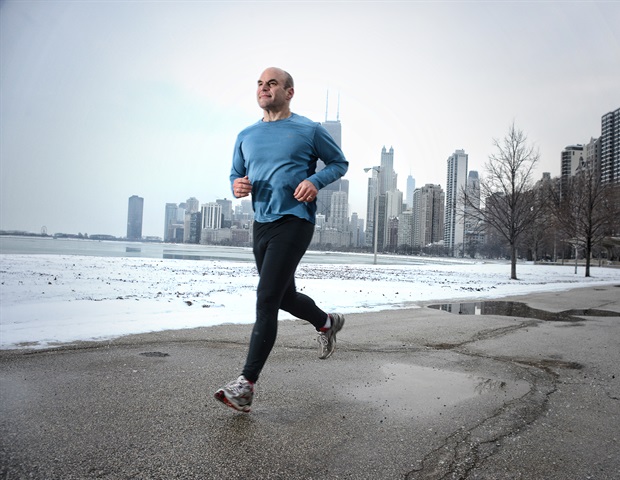
A recent study from the Columbia University Mailman School of Public Health has revealed a significant connection between recreational physical activity and breast cancer risk biomarkers in adolescent girls. The research suggests that engaging in exercise during adolescence—a critical period for breast development—could influence biological pathways associated with future breast cancer risk.
The findings indicate that adolescent girls who participated in at least two hours of recreational physical activity in the prior week exhibited lower water content in breast tissue, which is considered an indicator of lower breast density. This is noteworthy because lower breast density is linked to a reduced risk of developing breast cancer later in life. In adults, higher levels of recreational physical activity are associated with approximately a 20 percent reduction in breast cancer risk compared to those who are less active.
The study, published in the journal Breast Cancer Research, sheds light on the biological mechanisms that may underlie this association, particularly among younger populations. Until now, the understanding of how physical activity impacts breast cancer risk during earlier life stages has been limited.
Research conducted by the Columbia Breast Cancer and the Environment Research Program involved a diverse cohort of urban adolescent girls, primarily from neighborhoods such as Washington Heights, Central Harlem, and the South Bronx. Participants, with an average age of 16 years—64 percent of whom identified as Hispanic—self-reported their physical activity levels. Alarmingly, more than half of the participants (51 percent) reported no recreational physical activity in the past week.
According to Rebecca Kehm, PhD, the first author of the study, these findings highlight an urgent need to encourage physical activity among adolescent girls. “Our findings suggest that recreational physical activity is associated with changes in breast tissue composition and stress biomarkers, independent of body fat,” she stated. This is especially significant in light of the rising incidence of breast cancer in younger women and the low levels of physical activity reported among adolescents.
The research team, led by Mary Beth Terry, PhD, also emphasizes the importance of their study population. “Our research includes groups that have historically been underrepresented in studies and face persistent disparities in both physical activity levels and breast cancer outcomes,” said Terry. The study highlights that Black and Hispanic girls consistently report lower levels of recreational physical activity compared to their non-Hispanic White peers.
Additionally, the researchers utilized multiple biomarkers measured in urine, blood, and breast tissue to enhance the validity of their findings. The study’s methodology involved blood and urine collection, along with breast tissue assessments, ensuring a comprehensive approach to understanding the impact of physical activity on health.
The authors acknowledge the need for further longitudinal studies to explore how the biomarkers identified in adolescence may translate into breast cancer risk later in life. They advocate for promoting physical activity early in development as a potential strategy for reducing breast cancer risk among young women.
This study was supported by the National Institute of Environmental Health Sciences and the National Cancer Institute, with research grants U01ES026122, P30ES009089, and R00CA263024. The results underscore the critical role of recreational physical activity in shaping long-term health outcomes for adolescent girls.
As the research community continues to explore these connections, the implications for public health initiatives focused on increasing physical activity among young populations remain significant.

Moyes Faces Referee Controversy Ahead of Everton vs Chelsea Clash

Man Hospitalised After Assault Outside Shop in Sandwell

Fred MacAulay and Ally McCoist Reunite for Special World Cup Show

NoOnes Targets $1 Trillion Gift Card Market to Enhance Crypto Access

Beloved Actor Matt Clark Passes Away at 89, Fans Mourn Loss

Discover How Milk Thistle Supplements Enhance Liver Health

Irish Community Care Celebrates 60 Years of Support in Liverpool

New Affordable Housing Development Planned for Crawley Site

Millions of Parking Tickets Issued Amid Calls for Reform

Claire Tomlinson Bids Farewell to Sky Sports After 27 Years

Iconic 90s TV Show House Hits Market for £1.1 Million

Nathan Cleary’s Family Celebrates Engagement Amid Romance Rumors

Tributes Flow for Kerry Gentle, Beloved RNLI Volunteer and Artist

Milk Bank Urges Mothers to Donate for Premature Babies’ Health

Shoppers Flock to Discounted Neck Pillow on Amazon for Travel Comfort

Alessia Russo Signs Long-Term Deal with Arsenal Ahead of WSL Season

Nuneaton Town FC Advances Plans for New Stadium in Stockingford

Exploring England’s Cathedrals: A Journey Through History and Architecture
-
 Lifestyle8 months ago
Claire Tomlinson Bids Farewell to Sky Sports After 27 Years
-
 Entertainment11 months ago
Iconic 90s TV Show House Hits Market for £1.1 Million
-
 Sports1 year ago
Nathan Cleary’s Family Celebrates Engagement Amid Romance Rumors
-
 Lifestyle8 months ago
Tributes Flow for Kerry Gentle, Beloved RNLI Volunteer and Artist
-
 Lifestyle1 year ago
Milk Bank Urges Mothers to Donate for Premature Babies’ Health
-
 Lifestyle1 year ago
Shoppers Flock to Discounted Neck Pillow on Amazon for Travel Comfort
-
 Sports12 months ago
Alessia Russo Signs Long-Term Deal with Arsenal Ahead of WSL Season
-
 Sports9 months ago
Nuneaton Town FC Advances Plans for New Stadium in Stockingford
-
 Lifestyle1 year ago
Exploring England’s Cathedrals: A Journey Through History and Architecture
-

 Politics1 year ago
Museums Body Critiques EHRC Proposals on Gender Facilities
-

 Business1 year ago
Trump Visits Europe: Business, Politics, or Leisure?
-

 Lifestyle1 year ago
Japanese Teen Sorato Shimizu Breaks U18 100m Record in 10 Seconds