
Lifestyle
Multidisciplinary Artist Ali Osman Bayram Finds Inspiration in Montenegro

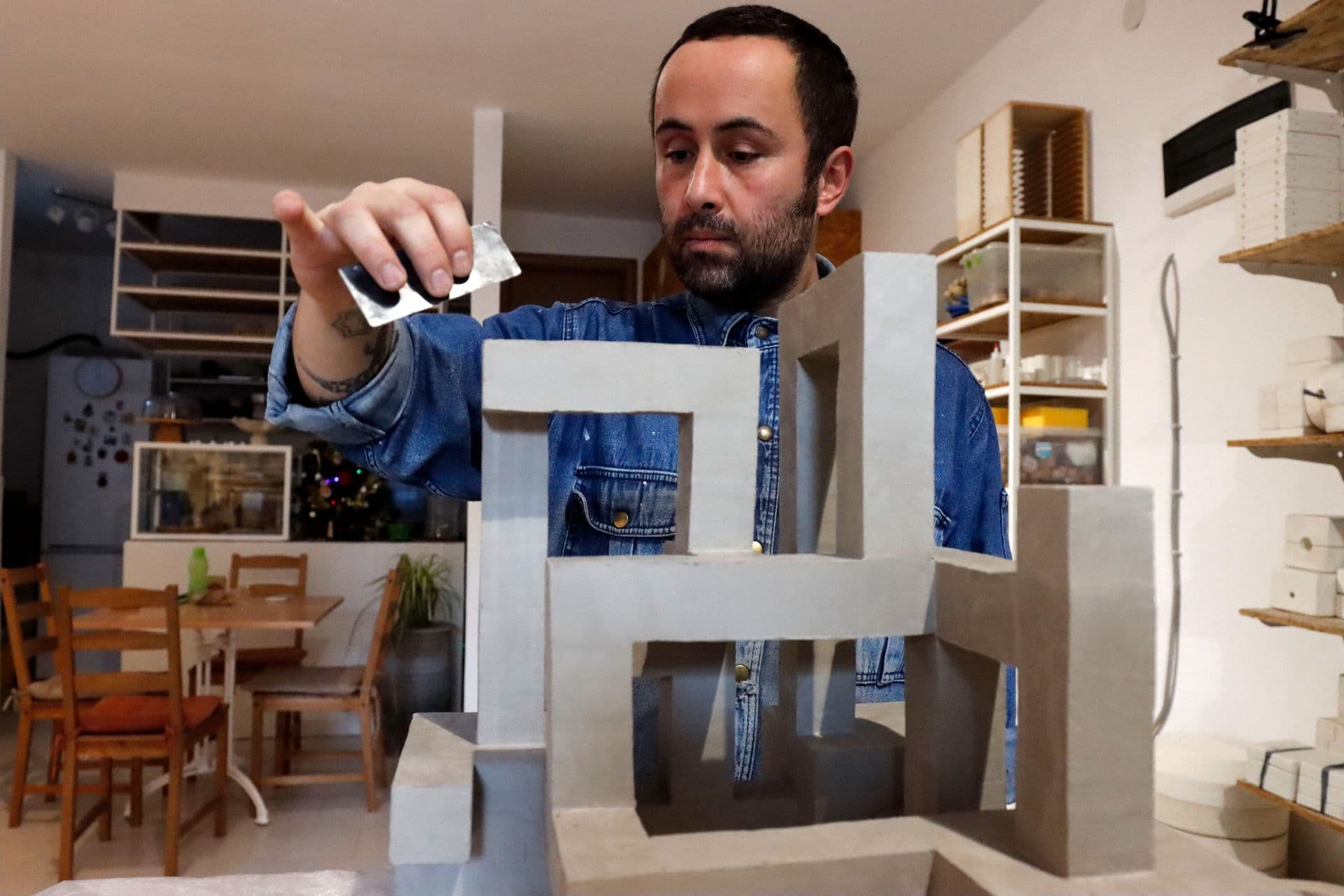
Multidisciplinary artist Ali Osman Bayram, originally from Turkey, has established an artistic studio in the heart of Montenegro over the past two years. His diverse body of work encompasses ceramics, sculpture, murals, painting, and digital art, reflecting a rich tapestry of influences. Bayram’s artistic journey began in 1999 with graffiti, and his recent experiences in Montenegro have further shaped his creative expression.
Upon arriving in Montenegro, Bayram experienced a mix of leisure and exploration. He has always been drawn to places with vibrant multicultural life, believing that diversity fosters development. His decision to relocate was influenced by Montenegro’s shift towards the West and the absence of a ceramics sector. “I thought I might be able to start something,” Bayram stated, expressing his vision for contributing to the local artistic landscape.
Artistic Influences and Challenges
Bayram’s studio is nestled in the narrow streets of Stara Varos, where the walls are adorned with his striking murals. These artworks, characterized by bold forms and clear lines, harmoniously blend with the historical ambiance of the old town, injecting new life into the surroundings. As visitors approach his studio, they are greeted by the earthy aroma of clay and the vibrant colors of his creations.
A graduate of the Faculty of Fine Arts at Anadolu University, where he specialized in ceramics, Bayram elaborates on the challenges he has faced in the local art scene. “The lack of suppliers, especially for ceramic materials, has posed significant hurdles,” he explained. Yet, he finds inspiration in the architecture of former Yugoslavia, particularly its brutalist structures. This fascination has led him to create a series of designs inspired by Kotor, which he titled “Gulf Flowers,” comprising 120 unique pieces.
Community Engagement and Future Plans
Bayram views his studio as a crucial part of Montenegro’s cultural life, believing that his work enhances the aesthetic of Stara Varos. He has observed a growing interest from tourists, with his murals contributing to the area’s appeal. With prior experience in transforming neglected locations into cultural landmarks in Istanbul, he aims to replicate this success in Montenegro. “I just need a little time and support,” he added, emphasizing his commitment to learning the local language to facilitate collaborations.
Looking ahead, Bayram hopes to connect with local artists, schools, and cultural institutions. He acknowledges the importance of mentorship and shared learning within the artistic community. Although he has not yet established extensive contacts, he aspires to pursue a doctorate that could further his engagement with local art institutions.
Bayram also addresses the perception of ceramics as primarily decorative rather than a legitimate art form. “This debate has existed in art history for a long time,” he stated. He believes ceramics should be viewed as a medium for artistic expression, comparable to glass, metal, or concrete. He appreciates the craft aspect of ceramics, acknowledging its broad applications in various industries.
In response to the current state of ceramics in Montenegro, Bayram expressed surprise at the absence of a robust ceramics sector, especially in a region rich in water resources. He noted the lack of educational programs in ceramics at local art schools, which he finds perplexing given the country’s architectural emphasis.
Bayram is optimistic about the growing interest in ceramics among younger generations, highlighting the role of social media in elevating the medium’s profile. “While being a full-time artist is challenging, ceramics offers both artistic and economic opportunities,” he explained. He encourages aspiring ceramicists to cultivate patience, recognizing the labor-intensive nature of the craft.
Reflecting on his beginnings with graffiti, Bayram emphasized the powerful communicative potential of street art. His early experiences created a social network that led to various opportunities. “Street art has changed my life and brought me a career,” he remarked, noting the evolving perception of urban art.
As he navigates his artistic path in Montenegro, Bayram remains mindful of the societal responsibilities of artists. “Artists are thought leaders in society,” he asserted, underscoring their role in fostering change. His commitment to addressing contemporary issues through his work reflects a deep understanding of the artist’s responsibility to society.
In summary, Ali Osman Bayram’s journey in Montenegro highlights the intersection of cultural heritage, artistic innovation, and community engagement. His work not only enriches the local artistic landscape but also serves as a testament to the transformative power of art.

Moyes Faces Referee Controversy Ahead of Everton vs Chelsea Clash

Man Hospitalised After Assault Outside Shop in Sandwell

Fred MacAulay and Ally McCoist Reunite for Special World Cup Show

NoOnes Targets $1 Trillion Gift Card Market to Enhance Crypto Access

Beloved Actor Matt Clark Passes Away at 89, Fans Mourn Loss

Discover How Milk Thistle Supplements Enhance Liver Health

Irish Community Care Celebrates 60 Years of Support in Liverpool

New Affordable Housing Development Planned for Crawley Site

Millions of Parking Tickets Issued Amid Calls for Reform

Claire Tomlinson Bids Farewell to Sky Sports After 27 Years

Iconic 90s TV Show House Hits Market for £1.1 Million

Nathan Cleary’s Family Celebrates Engagement Amid Romance Rumors

Tributes Flow for Kerry Gentle, Beloved RNLI Volunteer and Artist

Milk Bank Urges Mothers to Donate for Premature Babies’ Health

Shoppers Flock to Discounted Neck Pillow on Amazon for Travel Comfort

Alessia Russo Signs Long-Term Deal with Arsenal Ahead of WSL Season

Nuneaton Town FC Advances Plans for New Stadium in Stockingford

Exploring England’s Cathedrals: A Journey Through History and Architecture
-
 Lifestyle8 months ago
Claire Tomlinson Bids Farewell to Sky Sports After 27 Years
-
 Entertainment11 months ago
Iconic 90s TV Show House Hits Market for £1.1 Million
-
 Sports1 year ago
Nathan Cleary’s Family Celebrates Engagement Amid Romance Rumors
-
 Lifestyle8 months ago
Tributes Flow for Kerry Gentle, Beloved RNLI Volunteer and Artist
-
 Lifestyle1 year ago
Milk Bank Urges Mothers to Donate for Premature Babies’ Health
-
 Lifestyle1 year ago
Shoppers Flock to Discounted Neck Pillow on Amazon for Travel Comfort
-
 Sports12 months ago
Alessia Russo Signs Long-Term Deal with Arsenal Ahead of WSL Season
-
 Sports9 months ago
Nuneaton Town FC Advances Plans for New Stadium in Stockingford
-
 Lifestyle1 year ago
Exploring England’s Cathedrals: A Journey Through History and Architecture
-

 Politics1 year ago
Museums Body Critiques EHRC Proposals on Gender Facilities
-

 Business1 year ago
Trump Visits Europe: Business, Politics, or Leisure?
-

 Lifestyle1 year ago
Japanese Teen Sorato Shimizu Breaks U18 100m Record in 10 Seconds