
Politics
Trump’s Military Campaign Expands, Strikes More Nations Than Ever

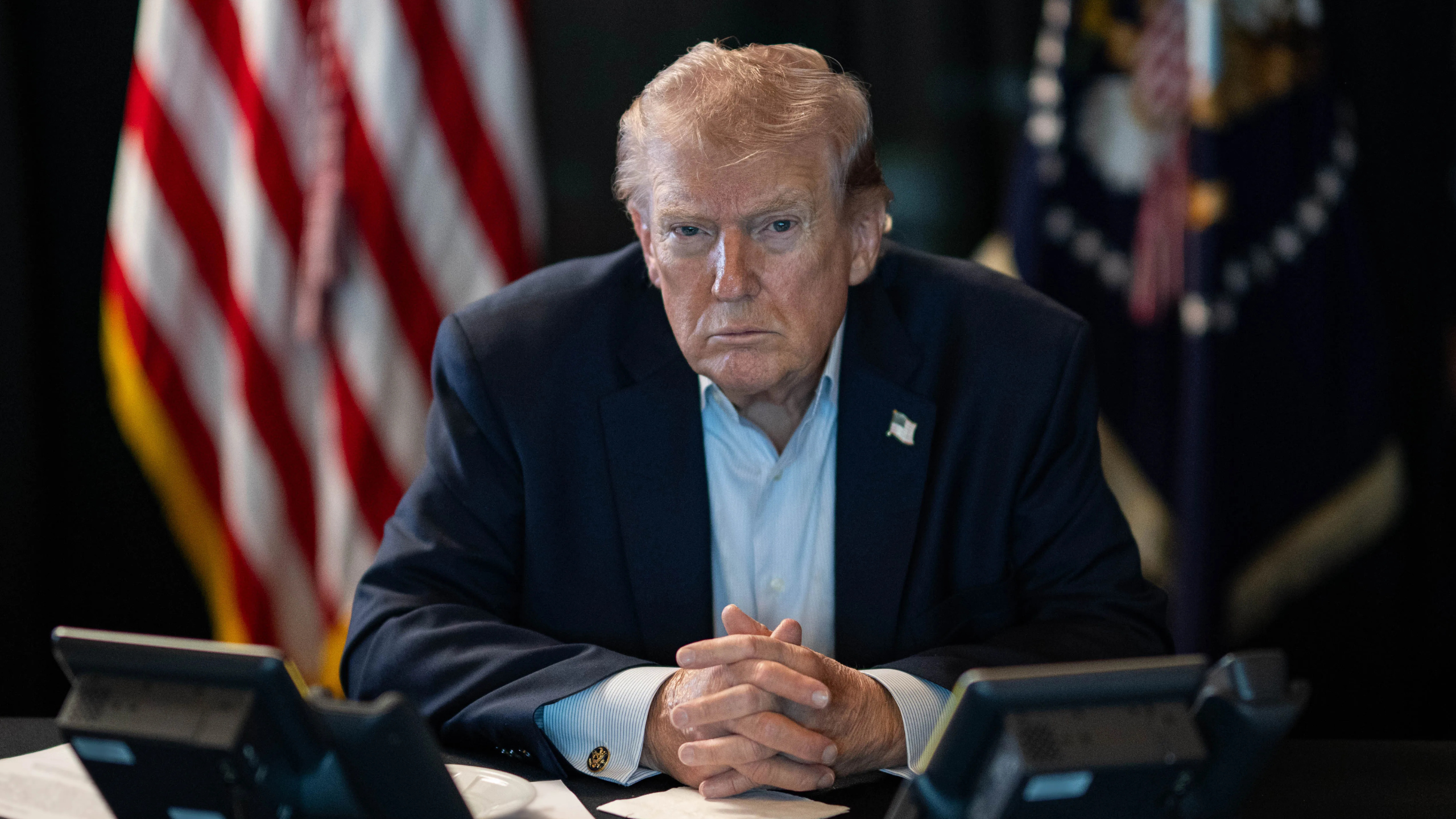
Donald Trump’s second term has significantly altered the landscape of U.S. foreign policy, with the president now overseeing a military campaign that has resulted in air and drone strikes across more countries than any previous U.S. leader. Despite his self-designation as the “Peace President,” Trump’s actions have raised serious questions regarding both international law and U.S. strategic priorities.
Entering office in January 2025, Trump promised to reduce American military engagements abroad. Yet, data from the Armed Conflict Location and Event Data Project indicates that U.S. forces conducted at least 626 air and drone strikes during Trump’s first year in office. This figure surpasses the total number of strikes executed by his predecessor over a four-year term. These operations have targeted nations including Somalia, Iraq, Nigeria, Yemen, Syria, Iran, Venezuela, and even maritime targets in Latin America and the Caribbean.
Military officials have defended these operations as necessary responses to emerging threats, asserting that they protect American interests. Secretary of Defense Pete Hegseth characterized actions against Iran as “surgical, overwhelming, and unapologetic,” claiming the campaign aimed to diminish Tehran’s military capabilities without drawing the U.S. into prolonged conflict.
Escalation in the Middle East
The most contentious military actions have unfolded in the Middle East. In February 2026, the U.S. and Israel initiated coordinated air strikes targeting Iranian military infrastructure and leadership, named Operation Epic Fury. Reports from the Pentagon and Reuters revealed that these strikes aimed at missile systems, naval assets, and other facilities considered threats by U.S. forces.
This military offensive diverges sharply from Trump’s earlier criticisms of foreign interventions. The initial phase of the operation involved attacks on over 1,000 targets, leading to significant casualties, including the reported death of Iranian Supreme Leader Ayatollah Ali Khamenei. Pentagon sources confirmed that U.S. personnel suffered casualties during Iranian retaliation strikes on allied military bases, highlighting the human cost of the operation.
In public addresses, Trump framed the military campaign as a means to deliver “freedom” to Iranian citizens while warning of further action if Tehran did not adjust its policies. Both Vice-President JD Vance and senior military officials have stated that this conflict would not mirror previous “endless wars,” yet they have not ruled out deploying ground troops if necessary.
Global Military Engagements
Beyond the Middle East, U.S. military operations have extended to various continents, targeting both state and non-state actors. In Africa, air strikes against militant groups such as Islamic State affiliates have been carried out in Somalia and Nigeria, often in conjunction with local forces. In late 2025, strikes on ISIS-linked positions in northwestern Nigeria were met with claims of persecution and violence, raising humanitarian concerns.
The U.S. involvement in Yemen’s conflict has also escalated beyond counterterrorism. Starting in March 2025, Operation Rough Rider involved sustained naval and air attacks against Houthi targets, notably at the Ras Isa oil terminal, where multiple strikes resulted in dozens of casualties and drew widespread condemnation for their humanitarian impact. Although a truce brokered in May 2025 temporarily reduced hostilities, underlying tensions remain.
In Syria, U.S. military actions have included retaliation strikes following attacks on American forces and ongoing operations against extremist groups. Additionally, targeted strikes in Iraq aimed at senior Islamic State leaders were executed in partnership with local and Kurdish forces.
One of the most striking developments occurred in January 2026, when U.S. forces conducted military operations in Venezuela. This initiative aimed to combat drug trafficking, leading to strikes on the capital, Caracas, and the capture of President Nicolás Maduro. This marked the most direct U.S. military intervention in Venezuela in decades, part of a broader maritime offensive that included at least 45 strikes on vessels linked to drug trafficking networks, resulting in significant casualties.
The Trump administration has framed these military actions as responses to armed threats, a characterization challenged by international legal experts and humanitarian organizations. Critics argue that many of these operations lack clear legal authorization and may breach international norms.
As Trump’s second term progresses, the implications of these military actions remain uncertain. Nonetheless, the unprecedented scale of operations marks a significant shift in U.S. foreign policy, challenging the narrative of a president once hailed as a “Peace President.” The ongoing debate over the legality and morality of these actions continues, as domestic political figures call for clearer justification before further military deployments.

Moyes Faces Referee Controversy Ahead of Everton vs Chelsea Clash

Man Hospitalised After Assault Outside Shop in Sandwell

Fred MacAulay and Ally McCoist Reunite for Special World Cup Show

NoOnes Targets $1 Trillion Gift Card Market to Enhance Crypto Access

Beloved Actor Matt Clark Passes Away at 89, Fans Mourn Loss

Discover How Milk Thistle Supplements Enhance Liver Health

Irish Community Care Celebrates 60 Years of Support in Liverpool

New Affordable Housing Development Planned for Crawley Site

Millions of Parking Tickets Issued Amid Calls for Reform

Claire Tomlinson Bids Farewell to Sky Sports After 27 Years

Iconic 90s TV Show House Hits Market for £1.1 Million

Tributes Flow for Kerry Gentle, Beloved RNLI Volunteer and Artist

Nathan Cleary’s Family Celebrates Engagement Amid Romance Rumors

Milk Bank Urges Mothers to Donate for Premature Babies’ Health

Shoppers Flock to Discounted Neck Pillow on Amazon for Travel Comfort

Alessia Russo Signs Long-Term Deal with Arsenal Ahead of WSL Season

Nuneaton Town FC Advances Plans for New Stadium in Stockingford

Museums Body Critiques EHRC Proposals on Gender Facilities
-
 Lifestyle7 months ago
Claire Tomlinson Bids Farewell to Sky Sports After 27 Years
-
 Entertainment10 months ago
Iconic 90s TV Show House Hits Market for £1.1 Million
-
 Lifestyle7 months ago
Tributes Flow for Kerry Gentle, Beloved RNLI Volunteer and Artist
-
 Sports1 year ago
Nathan Cleary’s Family Celebrates Engagement Amid Romance Rumors
-
 Lifestyle1 year ago
Milk Bank Urges Mothers to Donate for Premature Babies’ Health
-
 Lifestyle1 year ago
Shoppers Flock to Discounted Neck Pillow on Amazon for Travel Comfort
-
 Sports11 months ago
Alessia Russo Signs Long-Term Deal with Arsenal Ahead of WSL Season
-
 Sports9 months ago
Nuneaton Town FC Advances Plans for New Stadium in Stockingford
-
 Politics1 year ago
Museums Body Critiques EHRC Proposals on Gender Facilities
-

 Lifestyle1 year ago
Exploring England’s Cathedrals: A Journey Through History and Architecture
-

 Business1 year ago
Trump Visits Europe: Business, Politics, or Leisure?
-

 Lifestyle1 year ago
Japanese Teen Sorato Shimizu Breaks U18 100m Record in 10 Seconds