
Science
Dr. Charles Omole Advocates for State Police with Essential Safeguards

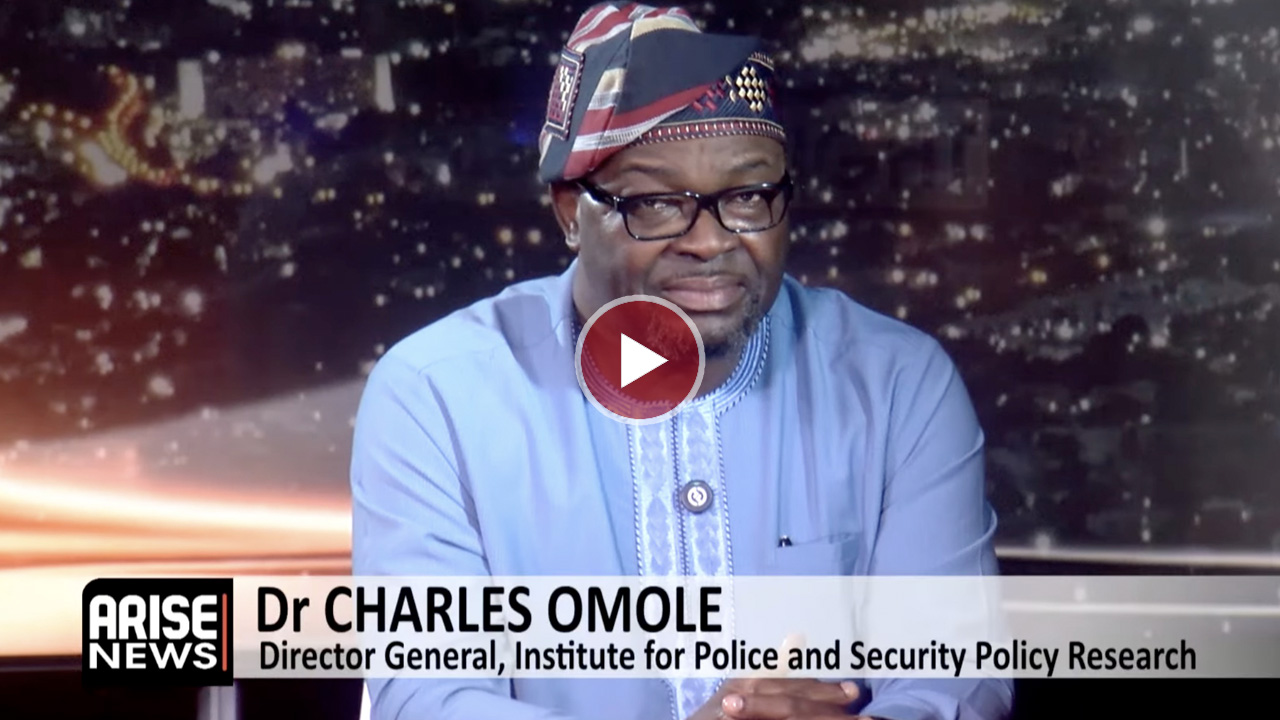
Dr. Charles Omole, the Director-General of the Institute for Police and Security Policy Research, has emphasized the potential success of state policing in Nigeria, contingent upon the establishment of critical safeguards. In a recent interview with ARISE NEWS, Dr. Omole discussed the historical context of state policing in Nigeria, linking it to the colonial era and addressing the current debate following President Bola Ahmed Tinubu’s appeal to the Senate for constitutional amendments to enable state police.
Dr. Omole stated, “For state police to work now, there are certain guardrails that need to be put in place.” He highlighted that the concept of state police is not new, tracing its roots back to the colonial period when the British established the “local native police.” He noted that the formal structure of the Nigeria Police Force, akin to a federal police system, has been in place since 1960.
The discussion around state policing has gained traction as President Tinubu pushes for legislative changes. Dr. Omole pointed out that the reluctance of some governors to embrace state police stems from financial concerns. He explained that reverting to a system of state police would require states to invest in infrastructure, including the establishment of their own prisons. This, he indicated, would incur significant costs for states that currently have their prison systems managed by the Federal Prison Service, which absorbs these expenses.
He further elaborated on the complexities involved in implementing state police. “If we are going back to state police, states must now establish their own prisons,” he noted, stressing the implications of such a transition. “The costs associated with infrastructure and managing the welfare of prisoners are genuine concerns.”
In outlining potential strategies for the implementation of state police, Dr. Omole suggested that a federal panel, similar to the one established for tax reform, could be created to oversee the process. He argued for uniformity in the ranks and structures of state police forces across Nigeria, emphasizing that discrepancies in rankings could lead to confusion and operational inefficiencies.
Dr. Omole also called for technical standards to ensure interoperability between different state police forces. He insisted on the necessity of having criteria in place for each state before they can establish their own police forces. This includes the ability to manage crime data effectively and a cohesive communication system between states to avoid fragmented policing practices.
While Dr. Omole expressed optimism about the prospects of state policing, he acknowledged the significant challenges ahead. He stated, “There will have to be a change in the Constitution, and this legal framework is more complicated than people think.” He projected that the changes required for the establishment of state police may not materialize within the next two to two and a half years.
In conclusion, Dr. Omole’s insights underline the need for a structured approach to state policing in Nigeria, emphasizing the importance of legal frameworks and fiscal preparations. His call for careful planning and the establishment of necessary guardrails reflects a cautious yet hopeful outlook on the future of policing in the country.

Moyes Faces Referee Controversy Ahead of Everton vs Chelsea Clash

Man Hospitalised After Assault Outside Shop in Sandwell

Fred MacAulay and Ally McCoist Reunite for Special World Cup Show

NoOnes Targets $1 Trillion Gift Card Market to Enhance Crypto Access

Beloved Actor Matt Clark Passes Away at 89, Fans Mourn Loss

Discover How Milk Thistle Supplements Enhance Liver Health

Irish Community Care Celebrates 60 Years of Support in Liverpool

New Affordable Housing Development Planned for Crawley Site

Millions of Parking Tickets Issued Amid Calls for Reform

Claire Tomlinson Bids Farewell to Sky Sports After 27 Years

Iconic 90s TV Show House Hits Market for £1.1 Million

Nathan Cleary’s Family Celebrates Engagement Amid Romance Rumors

Tributes Flow for Kerry Gentle, Beloved RNLI Volunteer and Artist

Milk Bank Urges Mothers to Donate for Premature Babies’ Health

Shoppers Flock to Discounted Neck Pillow on Amazon for Travel Comfort

Alessia Russo Signs Long-Term Deal with Arsenal Ahead of WSL Season

Nuneaton Town FC Advances Plans for New Stadium in Stockingford

Exploring England’s Cathedrals: A Journey Through History and Architecture
-
 Lifestyle8 months ago
Claire Tomlinson Bids Farewell to Sky Sports After 27 Years
-
 Entertainment11 months ago
Iconic 90s TV Show House Hits Market for £1.1 Million
-
 Sports1 year ago
Nathan Cleary’s Family Celebrates Engagement Amid Romance Rumors
-
 Lifestyle8 months ago
Tributes Flow for Kerry Gentle, Beloved RNLI Volunteer and Artist
-
 Lifestyle1 year ago
Milk Bank Urges Mothers to Donate for Premature Babies’ Health
-
 Lifestyle1 year ago
Shoppers Flock to Discounted Neck Pillow on Amazon for Travel Comfort
-
 Sports12 months ago
Alessia Russo Signs Long-Term Deal with Arsenal Ahead of WSL Season
-
 Sports9 months ago
Nuneaton Town FC Advances Plans for New Stadium in Stockingford
-
 Lifestyle1 year ago
Exploring England’s Cathedrals: A Journey Through History and Architecture
-

 Politics1 year ago
Museums Body Critiques EHRC Proposals on Gender Facilities
-

 Business1 year ago
Trump Visits Europe: Business, Politics, or Leisure?
-

 Lifestyle1 year ago
Japanese Teen Sorato Shimizu Breaks U18 100m Record in 10 Seconds