
Science
Elgin Radiologist Uses AI to Transform Lung Cancer Detection

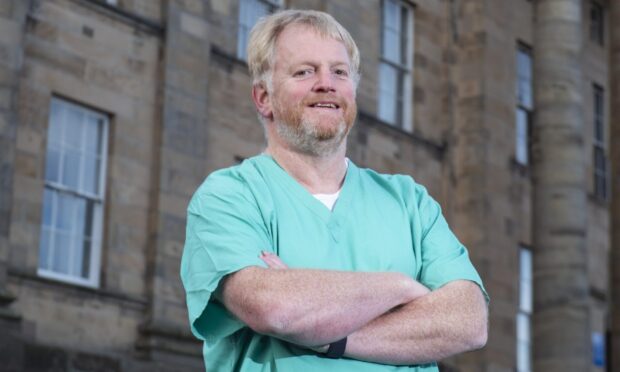
A consultant radiologist from Elgin is revolutionizing the early detection of lung cancer through the innovative application of artificial intelligence (AI). Dr. Struan Wilkie, based at Dr. Gray’s Hospital, is part of a team at NHS Grampian that reviews approximately 70,000 chest X-rays annually, striving to identify potential cancer cases sooner, which is crucial for effective treatment.
Dr. Wilkie’s fascination with computing began in the 1980s with the introduction of the BBC Micro in classrooms. While many of his peers used it for gaming, it sparked a lifelong interest in merging technology with medicine. “I’ve always had an interest in computing, and that’s probably why I wanted to merge the medical and computing sides together to make people’s lives better,” he stated.
Transforming Lung Cancer Detection
Lung cancer remains the leading cause of cancer-related deaths in Scotland, primarily due to late diagnoses. Symptoms often mimic other common illnesses, making early identification challenging. “It’s often a hidden killer,” Dr. Wilkie remarked. Many patients receive a chest X-ray for unrelated issues, at which point the cancer may be detected.
To address this issue, Dr. Wilkie and his team have implemented an AI system designed to prioritize chest X-rays that exhibit concerning signs. This initiative aims to reduce waiting times and alleviate pressure on radiology teams, ultimately improving patient outcomes. Under their guidance, X-rays flagged for urgent suspected cancer can now be reported within 24 hours, effectively minimizing delays at the initial stage of diagnosis.
Overcoming Challenges in AI Implementation
Integrating AI into routine clinical practice has not been without its challenges. The transition from research trials to practical application required over a year of meticulous planning. Dr. Wilkie described the process as involving “governance checks, IT systems to align, and organizations that had never worked together before needing to communicate effectively.”
There were also concerns among staff about the potential implications of AI on their roles. Dr. Wilkie emphasized the evolving conversation surrounding this technology. “I think we have moved away from the ‘Oh, you’re replacing us all’ mentality. AI is there to make work easier for them,” he explained. He clarified that the AI does not operate autonomously but serves as a prioritization tool to ensure that patients requiring urgent attention are seen first.
Dr. Wilkie draws parallels between the rise of AI and past technological advancements in radiology, such as the transition from X-ray to CT imaging. He believes AI represents the next significant evolution in healthcare, aiming to address some of the pressing challenges facing the NHS today.
The impact of this work extends beyond the immediate clinical environment. Dr. Wilkie noted, “It’s an outsized payoff from those in my 1980s classroom,” while also acknowledging a personal connection to the era. He humorously mentioned his ongoing enjoyment of retro video games, although he admitted that the value of his collection surprised his wife.
As the application of AI continues to evolve, the work of Dr. Wilkie and his colleagues at NHS Grampian exemplifies a proactive approach to healthcare innovation, ultimately aiming to enhance early detection and improve treatment outcomes for lung cancer patients in Scotland.

Moyes Faces Referee Controversy Ahead of Everton vs Chelsea Clash

Man Hospitalised After Assault Outside Shop in Sandwell

Fred MacAulay and Ally McCoist Reunite for Special World Cup Show

NoOnes Targets $1 Trillion Gift Card Market to Enhance Crypto Access

Beloved Actor Matt Clark Passes Away at 89, Fans Mourn Loss

Discover How Milk Thistle Supplements Enhance Liver Health

Irish Community Care Celebrates 60 Years of Support in Liverpool

New Affordable Housing Development Planned for Crawley Site

Millions of Parking Tickets Issued Amid Calls for Reform

Claire Tomlinson Bids Farewell to Sky Sports After 27 Years

Iconic 90s TV Show House Hits Market for £1.1 Million

Nathan Cleary’s Family Celebrates Engagement Amid Romance Rumors

Tributes Flow for Kerry Gentle, Beloved RNLI Volunteer and Artist

Milk Bank Urges Mothers to Donate for Premature Babies’ Health

Shoppers Flock to Discounted Neck Pillow on Amazon for Travel Comfort

Alessia Russo Signs Long-Term Deal with Arsenal Ahead of WSL Season

Nuneaton Town FC Advances Plans for New Stadium in Stockingford

Exploring England’s Cathedrals: A Journey Through History and Architecture
-
 Lifestyle8 months ago
Claire Tomlinson Bids Farewell to Sky Sports After 27 Years
-
 Entertainment11 months ago
Iconic 90s TV Show House Hits Market for £1.1 Million
-
 Sports1 year ago
Nathan Cleary’s Family Celebrates Engagement Amid Romance Rumors
-
 Lifestyle8 months ago
Tributes Flow for Kerry Gentle, Beloved RNLI Volunteer and Artist
-
 Lifestyle1 year ago
Milk Bank Urges Mothers to Donate for Premature Babies’ Health
-
 Lifestyle1 year ago
Shoppers Flock to Discounted Neck Pillow on Amazon for Travel Comfort
-
 Sports12 months ago
Alessia Russo Signs Long-Term Deal with Arsenal Ahead of WSL Season
-
 Sports9 months ago
Nuneaton Town FC Advances Plans for New Stadium in Stockingford
-
 Lifestyle1 year ago
Exploring England’s Cathedrals: A Journey Through History and Architecture
-

 Politics1 year ago
Museums Body Critiques EHRC Proposals on Gender Facilities
-

 Business1 year ago
Trump Visits Europe: Business, Politics, or Leisure?
-

 Lifestyle1 year ago
Japanese Teen Sorato Shimizu Breaks U18 100m Record in 10 Seconds