
Science
Understanding Cholesterol: Key Insights for Better Heart Health

As individuals prepare for New Year’s resolutions, many are considering their health, including the prospect of cholesterol testing. According to the NHS, it is recommended that most adults begin testing for cholesterol levels at age 40, as high cholesterol can significantly increase the risk of heart attacks and strokes. While lifestyle changes and medications, such as statins, can mitigate these risks, the complexities of cholesterol science often lead to confusion and uncertainty.
The traditional narrative surrounding cholesterol is evolving. For years, the conversation has focused on the dangers of “high cholesterol.” However, health experts now emphasize that cholesterol is not merely a hazardous substance but a crucial component that supports various bodily functions, including the formation of cell membranes and hormones. As a health journalist with a personal history of heart disease in my family, I have found the topic of cholesterol testing to be both essential and intricate.
Redefining Cholesterol: Good, Bad, and Everything In Between
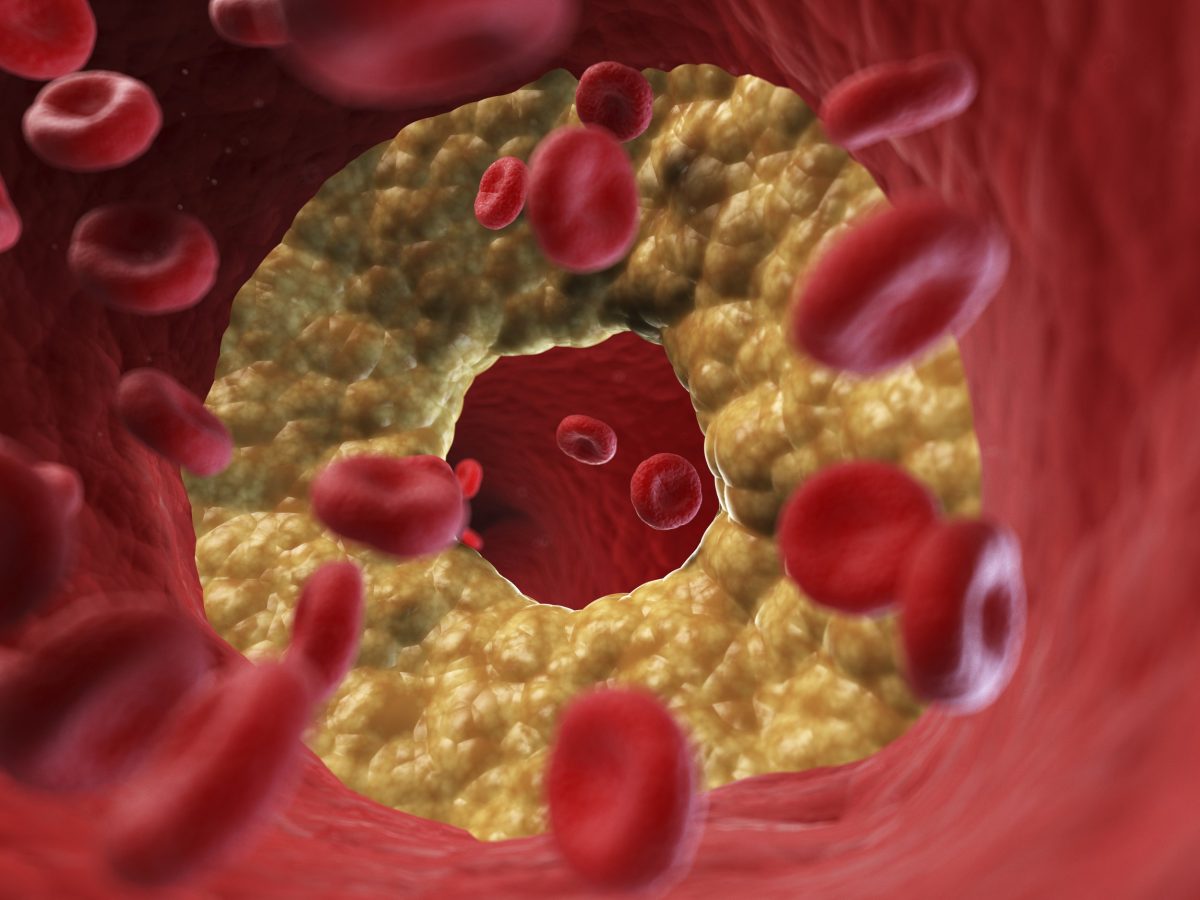
Cholesterol exists in several forms, each with different implications for health. The common classification of “good” and “bad” cholesterol reflects the protective nature of high-density lipoprotein (HDL) compared to low-density lipoprotein (LDL), which is associated with plaque formation in arteries. For instance, LDL is known to bind to arterial walls, potentially leading to heart disease.
To better understand cholesterol levels, a lipid profile test can reveal multiple metrics, including total cholesterol, HDL, LDL, and triglycerides. Each of these components provides a different perspective on cardiovascular health. The notion that total cholesterol should be the primary focus has shifted; experts are now more interested in the ratios and sizes of these particles.
For example, larger LDL particles may have a lesser impact on heart disease risk compared to smaller, denser LDL particles. Dr. Scott Murray, a cardiologist at University Hospitals of Liverpool, explains that having numerous small LDL particles increases the likelihood of plaque formation, likening it to the higher risk of accidents with more vehicles on the road.
Examining the Limitations of Cholesterol Testing
Despite the advancements in understanding cholesterol, the standard tests may not provide a full picture. While the NHS recommends measuring HDL and LDL levels, the test often overlooks other significant risk factors. For instance, lipoprotein(a), or Lp(a), can pose a substantial risk for heart disease, yet it is not typically included in routine cholesterol panels. About 20% of the population has elevated Lp(a) levels, which are genetically determined and not influenced by diet.
Additionally, the relationship between HDL levels and heart disease is not as straightforward as previously thought. Recent research indicates that extremely high HDL levels may also correlate with increased risk. The challenge lies in the fact that many doctors may rely on outdated equations that do not account for these nuances, potentially misleading patients regarding their heart health.
The ongoing debate among cardiologists about the best indicators for assessing heart disease risk reinforces the need for a comprehensive approach to understanding cholesterol. While traditional methods remain useful, incorporating additional tests, such as the Apo B test, can provide valuable insight into the number of LDL particles and their potential risk.
As I contemplate my own cholesterol testing this upcoming year, I recognize the importance of seeking further information and understanding the various factors that contribute to heart health. Despite initial hesitations regarding potential side effects from statin medications, experts like Professor Manuel Mayr at Imperial College London affirm that the benefits of statins often outweigh the risks for those at elevated risk for heart disease.
In conclusion, while cholesterol is a critical factor in cardiovascular health, it is just one piece of a larger puzzle. Lifestyle choices, such as diet and exercise, play a vital role in overall risk management. Therefore, as we embark on 2026, it may be prudent not only to consider cholesterol testing but also to embrace a holistic approach to health that encompasses multiple risk factors.

Moyes Faces Referee Controversy Ahead of Everton vs Chelsea Clash

Man Hospitalised After Assault Outside Shop in Sandwell

Fred MacAulay and Ally McCoist Reunite for Special World Cup Show

NoOnes Targets $1 Trillion Gift Card Market to Enhance Crypto Access

Beloved Actor Matt Clark Passes Away at 89, Fans Mourn Loss

Discover How Milk Thistle Supplements Enhance Liver Health

Irish Community Care Celebrates 60 Years of Support in Liverpool

New Affordable Housing Development Planned for Crawley Site

Millions of Parking Tickets Issued Amid Calls for Reform

Claire Tomlinson Bids Farewell to Sky Sports After 27 Years

Iconic 90s TV Show House Hits Market for £1.1 Million

Nathan Cleary’s Family Celebrates Engagement Amid Romance Rumors

Tributes Flow for Kerry Gentle, Beloved RNLI Volunteer and Artist

Milk Bank Urges Mothers to Donate for Premature Babies’ Health

Shoppers Flock to Discounted Neck Pillow on Amazon for Travel Comfort

Alessia Russo Signs Long-Term Deal with Arsenal Ahead of WSL Season

Nuneaton Town FC Advances Plans for New Stadium in Stockingford

Exploring England’s Cathedrals: A Journey Through History and Architecture
-
 Lifestyle8 months ago
Claire Tomlinson Bids Farewell to Sky Sports After 27 Years
-
 Entertainment11 months ago
Iconic 90s TV Show House Hits Market for £1.1 Million
-
 Sports1 year ago
Nathan Cleary’s Family Celebrates Engagement Amid Romance Rumors
-
 Lifestyle8 months ago
Tributes Flow for Kerry Gentle, Beloved RNLI Volunteer and Artist
-
 Lifestyle1 year ago
Milk Bank Urges Mothers to Donate for Premature Babies’ Health
-
 Lifestyle1 year ago
Shoppers Flock to Discounted Neck Pillow on Amazon for Travel Comfort
-
 Sports12 months ago
Alessia Russo Signs Long-Term Deal with Arsenal Ahead of WSL Season
-
 Sports9 months ago
Nuneaton Town FC Advances Plans for New Stadium in Stockingford
-
 Lifestyle1 year ago
Exploring England’s Cathedrals: A Journey Through History and Architecture
-

 Politics1 year ago
Museums Body Critiques EHRC Proposals on Gender Facilities
-

 Business1 year ago
Trump Visits Europe: Business, Politics, or Leisure?
-

 Lifestyle1 year ago
Japanese Teen Sorato Shimizu Breaks U18 100m Record in 10 Seconds