
Science
Invest in Science Now to Prepare for Future Pandemics

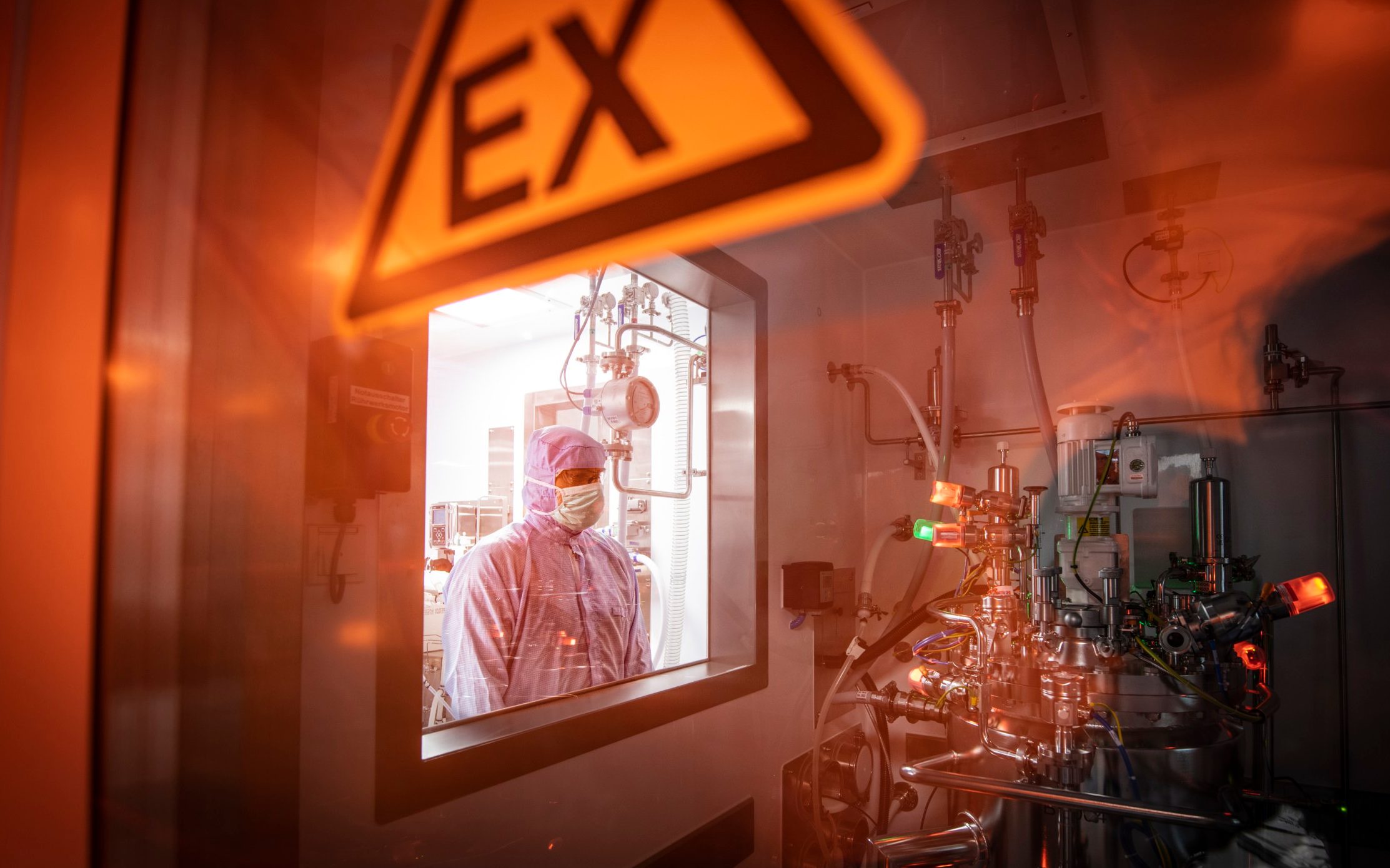
The ongoing threat of pandemics demands urgent action from global leaders, emphasizing the need to invest in scientific advancements. According to the World Health Organization (WHO), future pandemics are not just possible; they are inevitable without proactive measures. As the world grapples with the lasting effects of COVID-19, it has become clear that strengthening health systems through scientific innovation is essential for global security.
Governments and organizations must prioritize funding for research and development in healthcare to enhance preparedness for potential outbreaks. The G20 summit, scheduled for March 2024, will focus on the Global Health Security Agenda, highlighting the importance of a coordinated international response to health crises. A collective investment of at least $10 billion is recommended to bolster scientific infrastructure and ensure rapid responses to emerging diseases.
Science as a Shield Against Future Threats
The COVID-19 pandemic has illustrated the catastrophic effects of being unprepared for health emergencies. The Centers for Disease Control and Prevention (CDC) and the National Institutes of Health (NIH) have both stressed that investing in science is crucial for developing effective vaccines and treatments. Their research suggests that timely financial support for scientific endeavors can save lives and reduce economic losses during health crises.
In addition to medical advancements, investment in data collection and analysis is vital. Enhanced surveillance systems can facilitate early detection of potential outbreaks, allowing for swift public health interventions. Countries that have adopted such measures have experienced fewer disruptions during health emergencies, showcasing the value of preemptive action.
The United Nations (UN) has also called for a global coalition to address health security. By fostering collaboration among nations, the international community can share critical resources and knowledge necessary to combat infectious diseases effectively. This collaborative approach not only strengthens individual countries’ health systems but also builds resilience on a global scale.
Long-Term Vision for Health Security
As the world continues to face the repercussions of COVID-19, it is essential to shift focus towards long-term strategies that prioritize health security. Investments in scientific research not only prepare nations for future pandemics but also advance overall public health outcomes.
Programs designed to enhance healthcare access and education can significantly reduce the spread of infectious diseases. By creating a well-informed populace, countries can foster environments where health guidelines are followed, ultimately leading to better health governance.
Looking ahead, the challenge remains significant. The catastrophic impact of pandemics underscores the necessity for a unified global response. With increased funding and a commitment to scientific advancement, the international community can build a robust defense against future health threats, ensuring that humanity is better prepared for what lies ahead.

Moyes Faces Referee Controversy Ahead of Everton vs Chelsea Clash

Man Hospitalised After Assault Outside Shop in Sandwell

Fred MacAulay and Ally McCoist Reunite for Special World Cup Show

NoOnes Targets $1 Trillion Gift Card Market to Enhance Crypto Access

Beloved Actor Matt Clark Passes Away at 89, Fans Mourn Loss

Discover How Milk Thistle Supplements Enhance Liver Health

Irish Community Care Celebrates 60 Years of Support in Liverpool

New Affordable Housing Development Planned for Crawley Site

Millions of Parking Tickets Issued Amid Calls for Reform

Claire Tomlinson Bids Farewell to Sky Sports After 27 Years

Iconic 90s TV Show House Hits Market for £1.1 Million

Nathan Cleary’s Family Celebrates Engagement Amid Romance Rumors

Tributes Flow for Kerry Gentle, Beloved RNLI Volunteer and Artist

Milk Bank Urges Mothers to Donate for Premature Babies’ Health

Shoppers Flock to Discounted Neck Pillow on Amazon for Travel Comfort

Alessia Russo Signs Long-Term Deal with Arsenal Ahead of WSL Season

Nuneaton Town FC Advances Plans for New Stadium in Stockingford

Exploring England’s Cathedrals: A Journey Through History and Architecture
-
 Lifestyle8 months ago
Claire Tomlinson Bids Farewell to Sky Sports After 27 Years
-
 Entertainment11 months ago
Iconic 90s TV Show House Hits Market for £1.1 Million
-
 Sports1 year ago
Nathan Cleary’s Family Celebrates Engagement Amid Romance Rumors
-
 Lifestyle8 months ago
Tributes Flow for Kerry Gentle, Beloved RNLI Volunteer and Artist
-
 Lifestyle1 year ago
Milk Bank Urges Mothers to Donate for Premature Babies’ Health
-
 Lifestyle1 year ago
Shoppers Flock to Discounted Neck Pillow on Amazon for Travel Comfort
-
 Sports12 months ago
Alessia Russo Signs Long-Term Deal with Arsenal Ahead of WSL Season
-
 Sports9 months ago
Nuneaton Town FC Advances Plans for New Stadium in Stockingford
-
 Lifestyle1 year ago
Exploring England’s Cathedrals: A Journey Through History and Architecture
-

 Politics1 year ago
Museums Body Critiques EHRC Proposals on Gender Facilities
-

 Business1 year ago
Trump Visits Europe: Business, Politics, or Leisure?
-

 Lifestyle1 year ago
Japanese Teen Sorato Shimizu Breaks U18 100m Record in 10 Seconds