
Science
James Webb Telescope Unveils Stunning Cosmic Images That Transform Astronomy

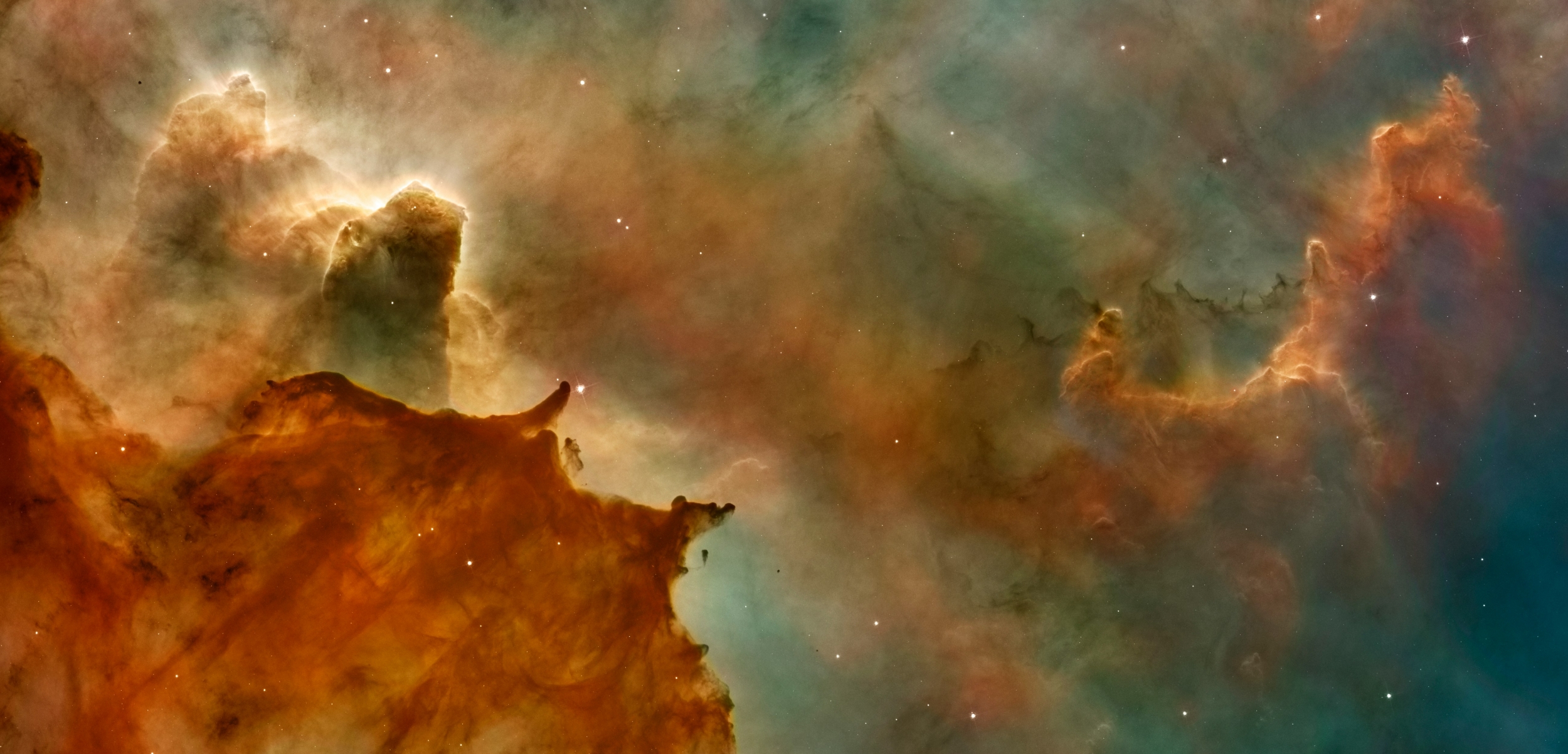
The James Webb Space Telescope (JWST) has released a series of breathtaking images that deepen humanity’s understanding of the universe. Utilizing its powerful infrared capabilities, JWST captures structures dating back approximately 13.5 billion years, revealing galaxies and stellar phenomena that were previously unseen. This new perspective exposes a cosmos filled with intricate gas pillars, gravitational lenses, and the birth of stars, showcasing the telescope’s potential to redefine our comprehension of space.
The advanced technology behind JWST contributes significantly to its ability to capture these images. With its massive 6.5-meter mirror and state-of-the-art infrared sensors, JWST provides unprecedented detail. This level of clarity starkly contrasts with traditional space imagery, such as that of the Hubble Space Telescope. The images from JWST not only carry scientific importance but also evoke an emotional response, reminding viewers of the vastness and mystery of the universe.
The Most Iconic JWST Images and Their Significance
Among the most notable images released is SMACS 0723, which stands out as JWST’s most iconic capture. This ultra-deep field image reveals galaxies that are more than 13 billion years old, using a galaxy cluster to act as a natural telescope. This single frame contains thousands of galaxies in an area of sky no larger than a grain of sand held at arm’s length. It represents the deepest infrared view ever captured and is considered the crown jewel of NASA’s early JWST showcase.
Another remarkable image, known as the Pillars of Creation, transforms a classic target into something new. In this view, infrared light reveals the intricate details within towering dust pillars, showcasing gas filaments, shockwaves, and newborn stars emerging from their dusty cocoon. Located 6,500 light-years away, this image captures the ongoing cycle of destruction and creation within a stellar nursery.
The Carina Nebula is also a highlight, presenting “cosmic cliffs” shaped by boiling gas and radiation. This dynamic landscape, where protostars eject high-speed jets, resembles a cosmic shoreline. The clarity of this image illustrates why JWST excels in environments filled with dust and radiation.
Dynamic Cosmic Narratives: Intergalactic Collisions and Planetary Details
JWST’s extraordinary capabilities extend to capturing colossal intergalactic collisions and intricate planetary details. The image of Stephan’s Quintet, featuring five galaxies approximately 40 million light-years away, showcases galaxies locked in a dramatic dance. Shockwaves heat gas to millions of degrees as galaxies collide and merge, with long tidal tails stretching across the frame. This image exemplifies the violent processes that shape galaxies, including our own.
In the realm of planetary observation, JWST’s photos of Jupiter have astonished astronomers. The telescope reveals the intricate layers of Jupiter’s atmosphere beneath its thick clouds, including the glowing Great Red Spot, which is highlighted with ammonia ice crystals. The imagery also captures the planet’s rings, small moons, and surrounding auroras with remarkable clarity. Notably, the moon Europa makes an appearance, providing tantalizing hints about its potential subsurface ocean.
Beyond our solar system, JWST’s images highlight complex gravitational structures and explosive star factories. Pandora’s Cluster serves as a massive megacluster that bends spacetime, illuminating background galaxies over 12 billion light-years away. The gravitational lensing effect amplifies the visibility of these distant galaxies, revealing features previously unseen.
The Tarantula Nebula, known as the largest and most active star-forming region near the Milky Way, bursts with activity. JWST’s view captures hollowed-out stellar nurseries where young stars create vast cavities in surrounding gas. This image represents one of the clearest observations of a cosmic factory producing massive stars.
As the JWST continues to deliver groundbreaking images, it reshapes our understanding of the universe. Each release offers a glimpse into the earliest eras of cosmic history, revealing objects formed only a few hundred million years after the Big Bang. This telescope is not merely an upgrade; it represents a significant leap in astronomical study and public engagement with the cosmos.
The legacy of the James Webb Space Telescope is just beginning, as it exposes the hidden architecture of the universe. From vibrant star nurseries to gravitational lenses that bend the oldest light, JWST continues to uncover the endless mysteries that await exploration.

Moyes Faces Referee Controversy Ahead of Everton vs Chelsea Clash

Man Hospitalised After Assault Outside Shop in Sandwell

Fred MacAulay and Ally McCoist Reunite for Special World Cup Show

NoOnes Targets $1 Trillion Gift Card Market to Enhance Crypto Access

Beloved Actor Matt Clark Passes Away at 89, Fans Mourn Loss

Discover How Milk Thistle Supplements Enhance Liver Health

Irish Community Care Celebrates 60 Years of Support in Liverpool

New Affordable Housing Development Planned for Crawley Site

Millions of Parking Tickets Issued Amid Calls for Reform

Claire Tomlinson Bids Farewell to Sky Sports After 27 Years

Iconic 90s TV Show House Hits Market for £1.1 Million

Nathan Cleary’s Family Celebrates Engagement Amid Romance Rumors

Tributes Flow for Kerry Gentle, Beloved RNLI Volunteer and Artist

Milk Bank Urges Mothers to Donate for Premature Babies’ Health

Shoppers Flock to Discounted Neck Pillow on Amazon for Travel Comfort

Alessia Russo Signs Long-Term Deal with Arsenal Ahead of WSL Season

Nuneaton Town FC Advances Plans for New Stadium in Stockingford

Exploring England’s Cathedrals: A Journey Through History and Architecture
-
 Lifestyle8 months ago
Claire Tomlinson Bids Farewell to Sky Sports After 27 Years
-
 Entertainment11 months ago
Iconic 90s TV Show House Hits Market for £1.1 Million
-
 Sports1 year ago
Nathan Cleary’s Family Celebrates Engagement Amid Romance Rumors
-
 Lifestyle8 months ago
Tributes Flow for Kerry Gentle, Beloved RNLI Volunteer and Artist
-
 Lifestyle1 year ago
Milk Bank Urges Mothers to Donate for Premature Babies’ Health
-
 Lifestyle1 year ago
Shoppers Flock to Discounted Neck Pillow on Amazon for Travel Comfort
-
 Sports12 months ago
Alessia Russo Signs Long-Term Deal with Arsenal Ahead of WSL Season
-
 Sports9 months ago
Nuneaton Town FC Advances Plans for New Stadium in Stockingford
-
 Lifestyle1 year ago
Exploring England’s Cathedrals: A Journey Through History and Architecture
-

 Politics1 year ago
Museums Body Critiques EHRC Proposals on Gender Facilities
-

 Business1 year ago
Trump Visits Europe: Business, Politics, or Leisure?
-

 Lifestyle1 year ago
Japanese Teen Sorato Shimizu Breaks U18 100m Record in 10 Seconds