
Science
New Bat-Borne Virus in Bangladesh Raises Health Concerns

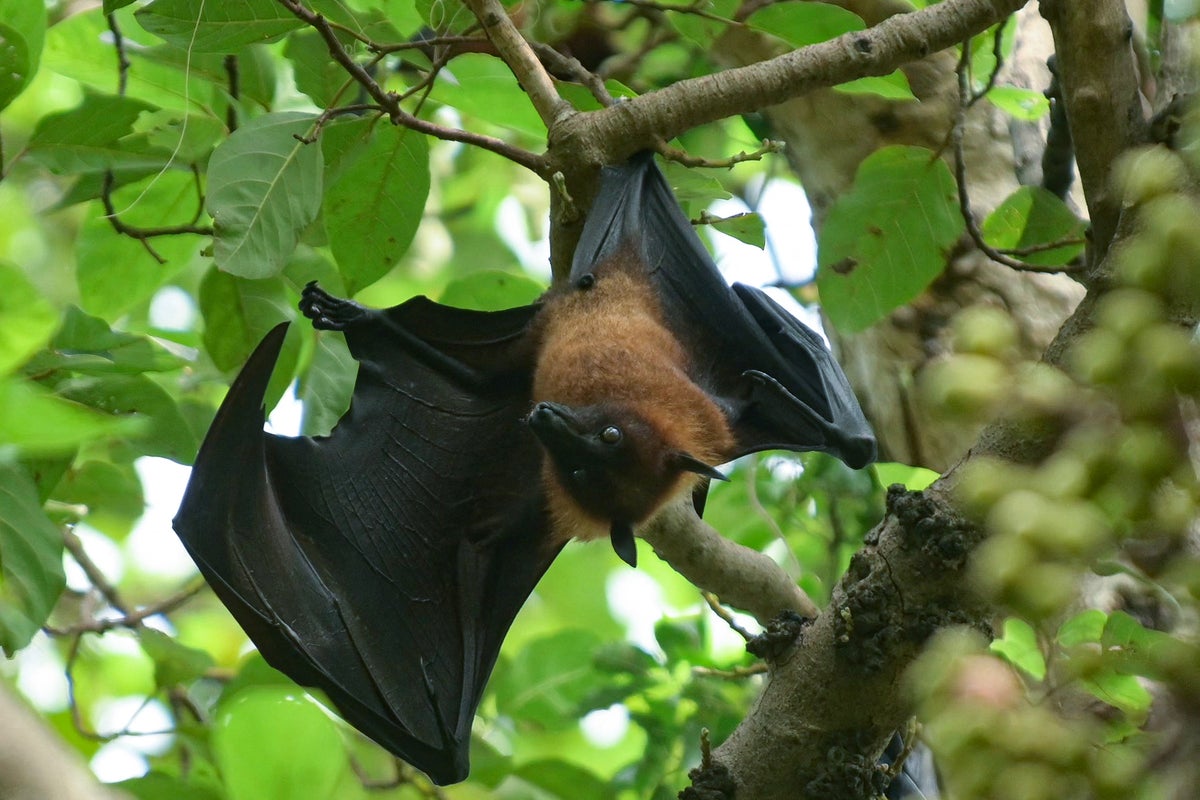
A new bat-borne virus in Bangladesh is causing alarm among scientists, as it appears to be more lethal than initially suspected. Between December 2022 and March 2023, five individuals were hospitalized with symptoms that included fever, vomiting, headaches, fatigue, increased salivation, and neurological issues. All patients had consumed raw date-palm sap, a sweet liquid that is also a food source for bats, known carriers of the Nipah virus.
Despite the initial suspicion of a Nipah virus outbreak, all five patients tested negative for this pathogen. They were discharged from hospitals within weeks, but three of the individuals later reported lingering effects such as persistent fatigue, disorientation, and difficulties in breathing and walking. Tragically, one patient succumbed to health complications in 2024, after experiencing unexplained neurological issues.
Following extensive research, it has been confirmed that the patients were infected with Pteropine orthoreovirus (PRV), a bat-borne virus that has not previously been associated with severe illness in humans in the region. Until now, PRV infections reported in neighboring countries such as Malaysia, Indonesia, and Vietnam had generally been linked to milder respiratory diseases.
Emerging Threats and Public Health Implications
The findings, published in the journal Emerging Infectious Diseases, indicate that these cases mark a significant shift in the virus’s behavior. “All five patients had severe respiratory and neurologic symptoms,” the study authors noted, highlighting the differences between these cases and those recorded elsewhere. Researchers speculate that the virus may have undergone genetic reassortment, altering its transmissibility and virulence.
Nischay Mishra, one of the study’s authors, emphasized the broader implications of these findings. “Our findings show that the risk of disease associated with raw date palm sap consumption extends beyond Nipah virus,” he stated. Mishra called for enhanced surveillance programs to identify and mitigate public health risks from emerging bat-borne viruses.
Researchers have also identified genetically similar strains of PRV in bats captured near the Padma River Basin, where the human cases were reported. Ariful Islam, another author of the study, stressed the urgency of understanding how this virus spills over from bats to humans and domestic animals. “We are now working to understand the spillover mechanisms,” Islam said, underscoring the need for comprehensive research on the ecology of emerging bat-borne viruses.
Recommendations for Public Health Surveillance
In light of these developments, experts are advocating for increased medical surveillance in regions where raw date-palm sap is consumed. They recommend that health professionals consider testing for both PRV and Nipah virus when diagnosing respiratory illnesses.
As the situation evolves, the need for proactive measures to monitor and address emerging infectious diseases continues to grow. The findings from this study underscore the interconnectedness of wildlife and human health, highlighting the importance of vigilance in the face of new viral threats.

Moyes Faces Referee Controversy Ahead of Everton vs Chelsea Clash

Man Hospitalised After Assault Outside Shop in Sandwell

Fred MacAulay and Ally McCoist Reunite for Special World Cup Show

NoOnes Targets $1 Trillion Gift Card Market to Enhance Crypto Access

Beloved Actor Matt Clark Passes Away at 89, Fans Mourn Loss

Discover How Milk Thistle Supplements Enhance Liver Health

Irish Community Care Celebrates 60 Years of Support in Liverpool

New Affordable Housing Development Planned for Crawley Site

Millions of Parking Tickets Issued Amid Calls for Reform

Claire Tomlinson Bids Farewell to Sky Sports After 27 Years

Iconic 90s TV Show House Hits Market for £1.1 Million

Nathan Cleary’s Family Celebrates Engagement Amid Romance Rumors

Tributes Flow for Kerry Gentle, Beloved RNLI Volunteer and Artist

Milk Bank Urges Mothers to Donate for Premature Babies’ Health

Shoppers Flock to Discounted Neck Pillow on Amazon for Travel Comfort

Alessia Russo Signs Long-Term Deal with Arsenal Ahead of WSL Season

Nuneaton Town FC Advances Plans for New Stadium in Stockingford

Exploring England’s Cathedrals: A Journey Through History and Architecture
-
 Lifestyle8 months ago
Claire Tomlinson Bids Farewell to Sky Sports After 27 Years
-
 Entertainment11 months ago
Iconic 90s TV Show House Hits Market for £1.1 Million
-
 Sports1 year ago
Nathan Cleary’s Family Celebrates Engagement Amid Romance Rumors
-
 Lifestyle8 months ago
Tributes Flow for Kerry Gentle, Beloved RNLI Volunteer and Artist
-
 Lifestyle1 year ago
Milk Bank Urges Mothers to Donate for Premature Babies’ Health
-
 Lifestyle1 year ago
Shoppers Flock to Discounted Neck Pillow on Amazon for Travel Comfort
-
 Sports12 months ago
Alessia Russo Signs Long-Term Deal with Arsenal Ahead of WSL Season
-
 Sports9 months ago
Nuneaton Town FC Advances Plans for New Stadium in Stockingford
-
 Lifestyle1 year ago
Exploring England’s Cathedrals: A Journey Through History and Architecture
-

 Politics1 year ago
Museums Body Critiques EHRC Proposals on Gender Facilities
-

 Business1 year ago
Trump Visits Europe: Business, Politics, or Leisure?
-

 Lifestyle1 year ago
Japanese Teen Sorato Shimizu Breaks U18 100m Record in 10 Seconds