
Science
Scientist Deciphers Dead Sea Scrolls Code, Reveals Biblical Texts

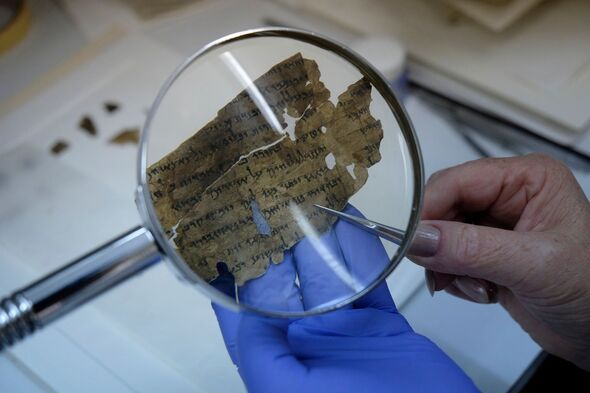
A significant breakthrough in biblical scholarship has emerged as researcher Emmanuel Oliveiro from the University of Groningen has reportedly deciphered the writing system of the ancient Dead Sea Scrolls. This achievement comes after more than 70 years of attempts to unlock the mysteries of the scrolls, particularly a manuscript known as Cryptic B, which had long eluded interpretation.
Discovered in caves near the West Bank between 1947 and 1956, the Dead Sea Scrolls are among the oldest surviving biblical manuscripts, consisting of texts written in Hebrew, Aramaic, and occasionally Greek. While the Cryptic A scroll was deciphered back in 1955, Cryptic B remained a daunting challenge due to its heavily damaged fragments and an unfamiliar alphabet.
Oliveiro’s work involved a meticulous analysis of the symbols in Cryptic B, allowing him to correspond each character with a letter. His findings reveal biblical writings that potentially relate to well-known themes, particularly those concerning the end of days, divine judgment, and the arrival of a Messiah. According to Oliveiro, the text contains references to figures such as Judah and Jacob, along with the term Elohim, which translates to ‘God’. Notably, the word Yisrael, meaning ‘Israel’, also appears within the fragments.
Significance of the Discoveries
Among the fragments analyzed, one particularly intriguing reference mentions “the tents of Jacob,” echoing passages found in Jeremiah 30:18 and Malachi 2:12. Although these fragments do not directly quote the biblical verses, they exhibit thematic connections that enrich our understanding of the ancient texts. Another fragment includes the mention of “Elohim” and “your glory,” indicating a continued emphasis on divine themes.
The manuscripts, catalogued as 4Q362 and 4Q363, are severely worn and damaged, with some pieces measuring only a few millimeters. The leather of the scrolls shows signs of deterioration, including cracks, darkening, and fraying. The distorted shapes of letters in Cryptic B had contributed to its reputation as indecipherable for decades.
The Qumran community, believed to have produced these manuscripts over 2,000 years ago, was known for its dedication to preserving religious texts. The use of an unfamiliar alphabet may suggest that the writings were intended for a select audience, possibly consisting of priestly elites, which would have elevated the text’s sacred significance.
Future Implications
Oliveiro’s research not only sheds light on the Dead Sea Scrolls but also opens new avenues for understanding other ancient manuscripts. The implications of this discovery extend beyond academia, potentially influencing religious studies and the way biblical texts are interpreted in contemporary discussions.
As scholars continue to explore the depths of these ancient writings, Oliveiro’s breakthrough serves as a reminder of the enduring mystery and complexity of our historical and spiritual heritage. The deciphered texts offer a glimpse into the beliefs and practices of a community that thrived in the shadow of the Dead Sea, enriching our understanding of biblical history and its lasting impact on civilization.

Moyes Faces Referee Controversy Ahead of Everton vs Chelsea Clash

Man Hospitalised After Assault Outside Shop in Sandwell

Fred MacAulay and Ally McCoist Reunite for Special World Cup Show

NoOnes Targets $1 Trillion Gift Card Market to Enhance Crypto Access

Beloved Actor Matt Clark Passes Away at 89, Fans Mourn Loss

Discover How Milk Thistle Supplements Enhance Liver Health

Irish Community Care Celebrates 60 Years of Support in Liverpool

New Affordable Housing Development Planned for Crawley Site

Millions of Parking Tickets Issued Amid Calls for Reform

Claire Tomlinson Bids Farewell to Sky Sports After 27 Years

Iconic 90s TV Show House Hits Market for £1.1 Million

Nathan Cleary’s Family Celebrates Engagement Amid Romance Rumors

Tributes Flow for Kerry Gentle, Beloved RNLI Volunteer and Artist

Milk Bank Urges Mothers to Donate for Premature Babies’ Health

Shoppers Flock to Discounted Neck Pillow on Amazon for Travel Comfort

Alessia Russo Signs Long-Term Deal with Arsenal Ahead of WSL Season

Nuneaton Town FC Advances Plans for New Stadium in Stockingford

Exploring England’s Cathedrals: A Journey Through History and Architecture
-
 Lifestyle8 months ago
Claire Tomlinson Bids Farewell to Sky Sports After 27 Years
-
 Entertainment11 months ago
Iconic 90s TV Show House Hits Market for £1.1 Million
-
 Sports1 year ago
Nathan Cleary’s Family Celebrates Engagement Amid Romance Rumors
-
 Lifestyle8 months ago
Tributes Flow for Kerry Gentle, Beloved RNLI Volunteer and Artist
-
 Lifestyle1 year ago
Milk Bank Urges Mothers to Donate for Premature Babies’ Health
-
 Lifestyle1 year ago
Shoppers Flock to Discounted Neck Pillow on Amazon for Travel Comfort
-
 Sports12 months ago
Alessia Russo Signs Long-Term Deal with Arsenal Ahead of WSL Season
-
 Sports9 months ago
Nuneaton Town FC Advances Plans for New Stadium in Stockingford
-
 Lifestyle1 year ago
Exploring England’s Cathedrals: A Journey Through History and Architecture
-

 Politics1 year ago
Museums Body Critiques EHRC Proposals on Gender Facilities
-

 Business1 year ago
Trump Visits Europe: Business, Politics, or Leisure?
-

 Lifestyle1 year ago
Japanese Teen Sorato Shimizu Breaks U18 100m Record in 10 Seconds