
Science
Scientists Explore Biofilm Functions to Enhance Space Health

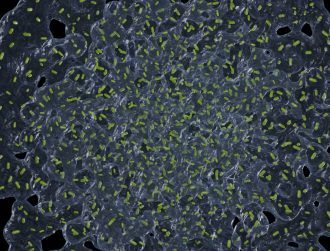
Scientists are investigating how biofilms—complex structures formed by microorganisms—affect human health during long-duration spaceflights. A recent study led by researchers from University College Dublin, Maynooth University, and University of Glasgow aims to deepen the understanding of biofilm behavior in space environments.
Biofilms, often described as microbial “cities,” provide essential protection to microorganisms against environmental stressors. They are ubiquitous on Earth and play a crucial role in maintaining human and plant health. However, the impact of spaceflight on biofilm functionality remains largely unexplored.
Dr. Katherine J Baxter, the study’s first author and coordinator of the UK Space Life and Biomedical Sciences Association, emphasizes that biofilms are typically viewed as problematic entities to be eliminated. “In reality, they represent a prevailing microbial lifestyle that supports healthy biological systems,” she stated. This perspective highlights the necessity of studying biofilms to ensure health safety during space missions.
Understanding Biofilms in Space Environments
The research team notes that even spaceflight simulations conducted on Earth can significantly alter how biofilms function, particularly their stress tolerance levels. These variations can lead to different responses across microbial species, depending on the experimental conditions.
Researchers affiliated with the GeneLab Microbes Analysis Working Group, part of the NASA Open Science Data Repository, have proposed a roadmap that integrates advanced genetics and biochemical techniques. This approach aims to enhance the understanding of how biofilms adapt to environments encountered in space. Their findings have been documented in the journal npj biofilms and microbiomes.
Dr. Eszter Sas, a co-author and metabolomics expert at Maynooth University, pointed out the importance of plants in long-duration space missions. “Plant performance relies heavily on biofilm interactions in and around their root systems,” she explained. The study suggests that using modern multiomics—an integrated approach combining genetics and biochemistry—could uncover new mechanisms related to biofilm responses in space. This research is crucial for bridging significant gaps in knowledge regarding signaling and metabolism at the interface of biofilms and plant roots.
Implications for Space Exploration and Earth Agriculture
Prof. Nicholas J B Brereton, the senior author of the study and an assistant professor at the UCD School of Biology and Environmental Science, added that insights gained from spaceflight can provide valuable information. “Spaceflight can reveal new biology under unfamiliar stress, and those insights can tell us a lot about how life might survive in space but also inform approaches for health and agriculture on Earth,” he stated.
The ongoing exploration of biofilm behavior underscores a critical aspect of space science. Understanding how these microbial communities operate in the unique conditions of space can significantly impact human health during missions, as well as contribute to advancements in agricultural practices on Earth.
As research continues, these findings may pave the way for safer and more effective long-duration space missions, ultimately enhancing the prospects of human exploration beyond our planet.

Moyes Faces Referee Controversy Ahead of Everton vs Chelsea Clash

Man Hospitalised After Assault Outside Shop in Sandwell

Fred MacAulay and Ally McCoist Reunite for Special World Cup Show

NoOnes Targets $1 Trillion Gift Card Market to Enhance Crypto Access

Beloved Actor Matt Clark Passes Away at 89, Fans Mourn Loss

Discover How Milk Thistle Supplements Enhance Liver Health

Irish Community Care Celebrates 60 Years of Support in Liverpool

New Affordable Housing Development Planned for Crawley Site

Millions of Parking Tickets Issued Amid Calls for Reform

Claire Tomlinson Bids Farewell to Sky Sports After 27 Years

Iconic 90s TV Show House Hits Market for £1.1 Million

Nathan Cleary’s Family Celebrates Engagement Amid Romance Rumors

Tributes Flow for Kerry Gentle, Beloved RNLI Volunteer and Artist

Milk Bank Urges Mothers to Donate for Premature Babies’ Health

Shoppers Flock to Discounted Neck Pillow on Amazon for Travel Comfort

Alessia Russo Signs Long-Term Deal with Arsenal Ahead of WSL Season

Nuneaton Town FC Advances Plans for New Stadium in Stockingford

Exploring England’s Cathedrals: A Journey Through History and Architecture
-
 Lifestyle8 months ago
Claire Tomlinson Bids Farewell to Sky Sports After 27 Years
-
 Entertainment11 months ago
Iconic 90s TV Show House Hits Market for £1.1 Million
-
 Sports1 year ago
Nathan Cleary’s Family Celebrates Engagement Amid Romance Rumors
-
 Lifestyle8 months ago
Tributes Flow for Kerry Gentle, Beloved RNLI Volunteer and Artist
-
 Lifestyle1 year ago
Milk Bank Urges Mothers to Donate for Premature Babies’ Health
-
 Lifestyle1 year ago
Shoppers Flock to Discounted Neck Pillow on Amazon for Travel Comfort
-
 Sports12 months ago
Alessia Russo Signs Long-Term Deal with Arsenal Ahead of WSL Season
-
 Sports9 months ago
Nuneaton Town FC Advances Plans for New Stadium in Stockingford
-
 Lifestyle1 year ago
Exploring England’s Cathedrals: A Journey Through History and Architecture
-

 Politics1 year ago
Museums Body Critiques EHRC Proposals on Gender Facilities
-

 Business1 year ago
Trump Visits Europe: Business, Politics, or Leisure?
-

 Lifestyle1 year ago
Japanese Teen Sorato Shimizu Breaks U18 100m Record in 10 Seconds