
Top Stories
Russian Railways Faces Crisis with £38 Billion Debt and Layoffs

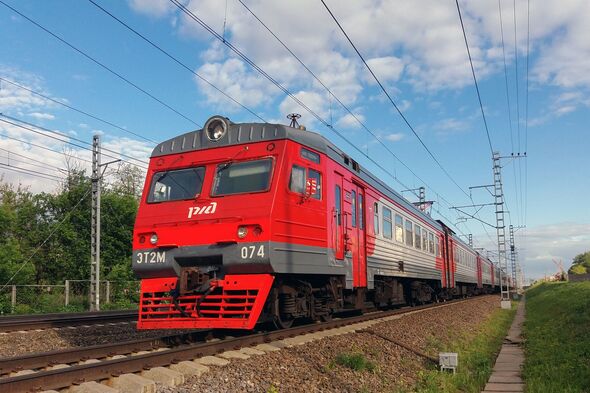
The Russian economy is facing significant challenges as the state-owned railway company, Russian Railways (RZhD), grapples with a staggering debt of approximately £38 billion. The company has received increased government support in response to a dramatic decline in cargo volume, which has dropped by 14% since the onset of the invasion of Ukraine in 2022.
In a bid to stabilize the railway sector, the Russian government has implemented new measures, including a planned increase in freight tariffs by 1% starting on March 1, 2024. This adjustment was announced by Prime Minister Mikhail Mishustin, who described it as essential for covering costs related to transport security. The government had initially been approached for emergency funding of 200 billion rubles (around £2.1 billion) from the National Wealth Fund, but the Finance Ministry approved only 65 billion rubles (approximately £680 million), as reported by the Moscow Times.
Financial expert Kyrylo Shevchenko, the former chief of the National Bank of Ukraine, pointed out that the western sanctions imposed on Russia have severely impacted RZhD. He noted on social media platform X that these sanctions have “crushed export freight,” which constitutes the company’s main revenue source. Shevchenko further estimated that losses for 2025 could exceed $1.3 billion, primarily due to the collapse of coal and metals shipments to Europe, requiring rerouting to costlier Asian markets.
Looking ahead, analysts predict a further decline in freight volumes by 20% to 30% in 2026 if sanctions persist, which could lead to more asset sales and potential state bailouts. This financial strain has already resulted in RZhD placing some employees on unpaid leave and initiating layoffs since October 2023.
To counteract these financial difficulties, RZhD has announced plans to reduce its investment program by 25% this year. The budget for construction and the acquisition of wagons and locomotives is set to decrease from 890.9 billion rubles (approximately £7.2 billion) last year to 713.6 billion rubles (about £5.8 billion) in 2024.
Moreover, the government is preparing a more extensive support package worth 1.3 trillion rubles (around £10.5 billion), which will include measures for debt restructuring and asset sales. As the situation continues to evolve, the implications of these developments on the broader Russian economy remain to be seen.

Moyes Faces Referee Controversy Ahead of Everton vs Chelsea Clash

Man Hospitalised After Assault Outside Shop in Sandwell

Fred MacAulay and Ally McCoist Reunite for Special World Cup Show

NoOnes Targets $1 Trillion Gift Card Market to Enhance Crypto Access

Beloved Actor Matt Clark Passes Away at 89, Fans Mourn Loss

Discover How Milk Thistle Supplements Enhance Liver Health

Irish Community Care Celebrates 60 Years of Support in Liverpool

New Affordable Housing Development Planned for Crawley Site

Millions of Parking Tickets Issued Amid Calls for Reform

Claire Tomlinson Bids Farewell to Sky Sports After 27 Years

Iconic 90s TV Show House Hits Market for £1.1 Million

Tributes Flow for Kerry Gentle, Beloved RNLI Volunteer and Artist

Nathan Cleary’s Family Celebrates Engagement Amid Romance Rumors

Milk Bank Urges Mothers to Donate for Premature Babies’ Health

Shoppers Flock to Discounted Neck Pillow on Amazon for Travel Comfort

Alessia Russo Signs Long-Term Deal with Arsenal Ahead of WSL Season

Nuneaton Town FC Advances Plans for New Stadium in Stockingford

Museums Body Critiques EHRC Proposals on Gender Facilities
-
 Lifestyle6 months ago
Claire Tomlinson Bids Farewell to Sky Sports After 27 Years
-
 Entertainment9 months ago
Iconic 90s TV Show House Hits Market for £1.1 Million
-
 Lifestyle6 months ago
Tributes Flow for Kerry Gentle, Beloved RNLI Volunteer and Artist
-
 Sports11 months ago
Nathan Cleary’s Family Celebrates Engagement Amid Romance Rumors
-
 Lifestyle11 months ago
Milk Bank Urges Mothers to Donate for Premature Babies’ Health
-
 Lifestyle11 months ago
Shoppers Flock to Discounted Neck Pillow on Amazon for Travel Comfort
-
 Sports10 months ago
Alessia Russo Signs Long-Term Deal with Arsenal Ahead of WSL Season
-
 Sports8 months ago
Nuneaton Town FC Advances Plans for New Stadium in Stockingford
-
 Politics11 months ago
Museums Body Critiques EHRC Proposals on Gender Facilities
-

 Lifestyle11 months ago
Exploring England’s Cathedrals: A Journey Through History and Architecture
-

 Business11 months ago
Trump Visits Europe: Business, Politics, or Leisure?
-

 Lifestyle11 months ago
Japanese Teen Sorato Shimizu Breaks U18 100m Record in 10 Seconds