
Top Stories
Cynthia Erivo’s Dracula Drowns in Overwhelming Video Effects

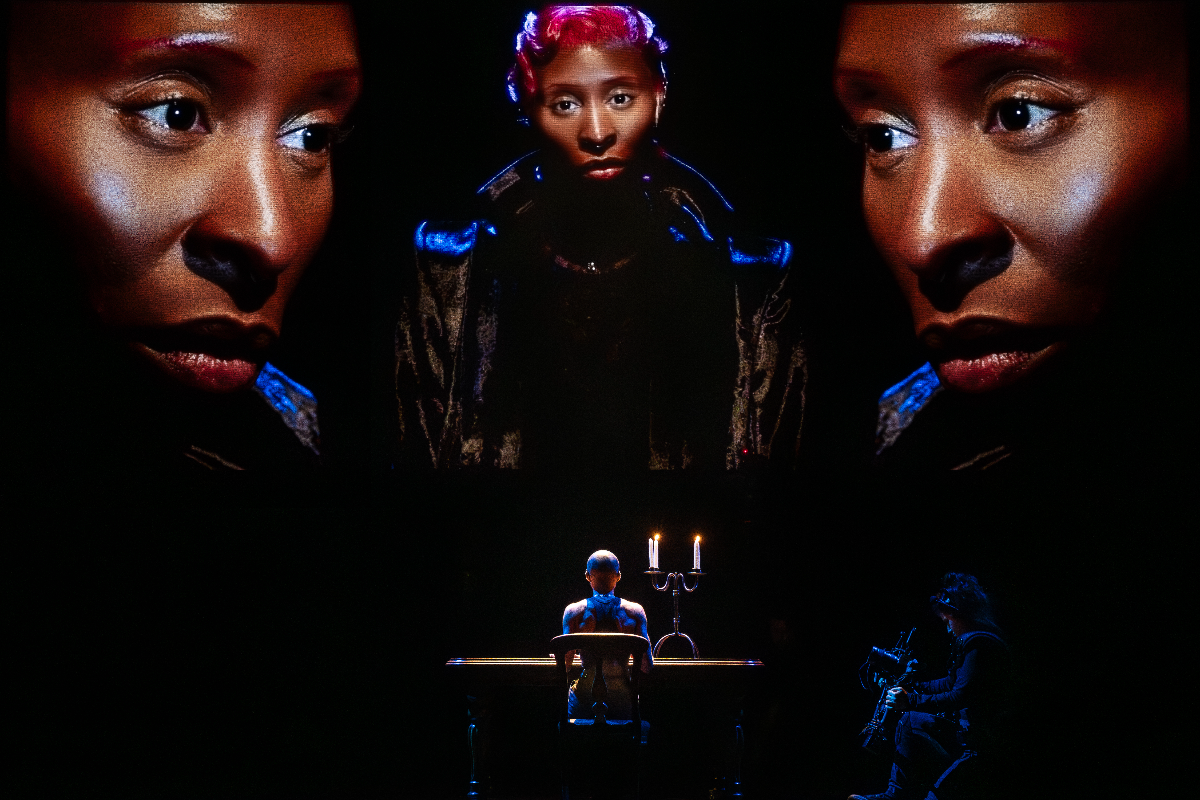
The latest adaptation of Dracula, featuring Cynthia Erivo, has sparked debate as it leans heavily on video technology, almost eclipsing the live performance aspect. Directed by Kip Williams, the production is currently staged at the Noel Coward Theatre and will run until May 30, 2024. Critics have rated the show at ★★, citing an overwhelming reliance on pre-recorded video segments that detracts from the theatrical experience.
Overwhelmed by Technology
In this rendition of Bram Stoker‘s classic, Erivo takes on the challenge of portraying 23 different characters. While her talent is undeniable, the production’s approach often leaves her overwhelmed. Frequent line misses highlight the struggles she faces in a performance that requires rapid transitions between vastly different roles. This technique, while ambitious, raises questions about its effectiveness.
The adaptation echoes a trend initiated by director Jamie Lloyd, known for infusing modern technology into stage productions. However, in this iteration of Dracula, the use of video feels more like a distraction than an enhancement. Instead of engaging with the audience, Erivo often recites her lines while facing video screens that display other characters, which diminishes the intimacy of live theatre.
A Disconnection from Live Performance
Audience members may find themselves frustrated as much of the action occurs on large screens rather than on stage. The director’s decision to focus heavily on video execution leads to a disconnect, with Erivo frequently positioned with her back to the audience. This technique undermines the connection typically fostered in live performances, where actors engage directly with viewers.
“I didn’t come here to watch a film about Dracula, I came here to watch a live show.”
Critics have noted that while Erivo demonstrates commendable skill in her character shifts, the production’s video-centric design overshadows her performance. The narrative, closely following Stoker’s text, feels burdened with excessive detail, leaving little room for the exploration of pivotal moments. This results in a hurried pacing that sacrifices depth for spectacle.
Furthermore, the reliance on a single actor—Erivo—necessitates the involvement of stagehands to manage props. Unfortunately, this setup often appears clumsy, detracting from the overall drama of the performance. For instance, a scene involving a coffin lacks the intended tension and finesse, as stagehands awkwardly handle the props, pulling the audience away from the unfolding story.
As the production progresses, the moments where Erivo’s character truly shines become fleeting, overshadowed by a barrage of audiovisual effects. While some characters, such as Erivo’s portrayals of Jack and Van Helsing, offer entertaining glimpses, these moments are often lost amidst the relentless pace of the show.
Despite the promise of the material and the talent of the cast, this iteration of Dracula falls short of delivering a compelling live theatre experience. The heavy use of technology ultimately diminishes the power of the narrative and the performers, leaving audiences yearning for a more traditional engagement with the story. As the curtain falls, one cannot help but reflect on the balance between innovation and the essence of live performance.

Moyes Faces Referee Controversy Ahead of Everton vs Chelsea Clash

Man Hospitalised After Assault Outside Shop in Sandwell

Fred MacAulay and Ally McCoist Reunite for Special World Cup Show

NoOnes Targets $1 Trillion Gift Card Market to Enhance Crypto Access

Beloved Actor Matt Clark Passes Away at 89, Fans Mourn Loss

Discover How Milk Thistle Supplements Enhance Liver Health

Irish Community Care Celebrates 60 Years of Support in Liverpool

New Affordable Housing Development Planned for Crawley Site

Millions of Parking Tickets Issued Amid Calls for Reform

Claire Tomlinson Bids Farewell to Sky Sports After 27 Years

Iconic 90s TV Show House Hits Market for £1.1 Million

Tributes Flow for Kerry Gentle, Beloved RNLI Volunteer and Artist

Nathan Cleary’s Family Celebrates Engagement Amid Romance Rumors

Milk Bank Urges Mothers to Donate for Premature Babies’ Health

Shoppers Flock to Discounted Neck Pillow on Amazon for Travel Comfort

Alessia Russo Signs Long-Term Deal with Arsenal Ahead of WSL Season

Nuneaton Town FC Advances Plans for New Stadium in Stockingford

Museums Body Critiques EHRC Proposals on Gender Facilities
-
 Lifestyle6 months ago
Claire Tomlinson Bids Farewell to Sky Sports After 27 Years
-
 Entertainment9 months ago
Iconic 90s TV Show House Hits Market for £1.1 Million
-
 Lifestyle6 months ago
Tributes Flow for Kerry Gentle, Beloved RNLI Volunteer and Artist
-
 Sports11 months ago
Nathan Cleary’s Family Celebrates Engagement Amid Romance Rumors
-
 Lifestyle11 months ago
Milk Bank Urges Mothers to Donate for Premature Babies’ Health
-
 Lifestyle11 months ago
Shoppers Flock to Discounted Neck Pillow on Amazon for Travel Comfort
-
 Sports10 months ago
Alessia Russo Signs Long-Term Deal with Arsenal Ahead of WSL Season
-
 Sports8 months ago
Nuneaton Town FC Advances Plans for New Stadium in Stockingford
-
 Politics11 months ago
Museums Body Critiques EHRC Proposals on Gender Facilities
-

 Lifestyle11 months ago
Exploring England’s Cathedrals: A Journey Through History and Architecture
-

 Business11 months ago
Trump Visits Europe: Business, Politics, or Leisure?
-

 Lifestyle11 months ago
Japanese Teen Sorato Shimizu Breaks U18 100m Record in 10 Seconds