
Health
Amazon Faces Tuberculosis Outbreak at Coventry Warehouse

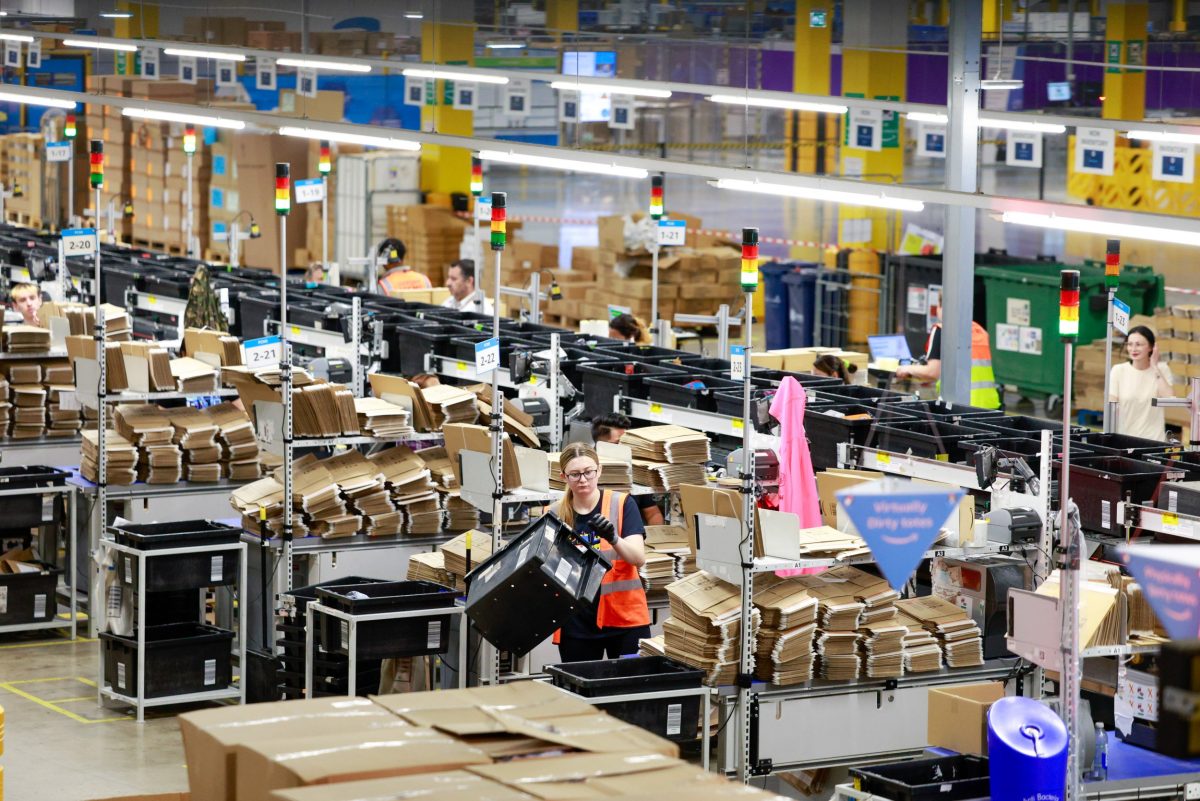
Amazon has confirmed a tuberculosis (TB) outbreak at its Coventry warehouse, where ten employees tested positive for the disease last year. The situation has raised serious concerns about the potential for a broader outbreak, prompting calls from the GMB Union for the immediate closure of the facility and suspension of all staff.
Following reports that NHS staff were dispatched to conduct blood tests this week, the GMB Union expressed alarm over the health risks posed to employees and the surrounding community. According to Amada Gearing, the GMB Senior Organiser, the Coventry site could become an “engine room” for a significant TB outbreak, a scenario not witnessed for decades. Despite these claims, Amazon maintains that its warehouses are among “the safest in the UK.”
The NHS describes tuberculosis as an infection that primarily affects the lungs. While it can be treated effectively with antibiotics, the disease can escalate into a contagious form if not addressed promptly. Amazon confirmed that the cases reported last year involved “non-contagious TB,” also known as “latent” tuberculosis. The NHS recommends a treatment regimen of antibiotics lasting three to six months for such cases.
In response to the outbreak, Amazon has stated that it is adhering to guidance from the NHS and the UK Health Security Agency (UKHSA). The company has informed all potentially affected employees and is currently conducting screening for the illness. A spokesperson for Amazon emphasized the company’s commitment to safety, asserting, “Nothing is more important than the safety and wellbeing of our team members.”
The GMB Union has formally requested that the Coventry site be temporarily closed until “appropriate infection control measures” are implemented. The union is advocating for staff to be placed on medical leave with full pay during this period. This call for action reflects a broader concern about workplace safety, particularly in light of a separate investigation by The i Paper, which revealed that the Coventry warehouse recorded 2,500 serious injury incidents over the past decade—approximately one injury every day and a half.
Amazon disputed claims of unsafe working conditions, stating that its own analysis of Health and Safety Executive (HSE) data indicates its injury rate is over 75 percent lower than that of other warehousing businesses.
Historically, the Coventry warehouse has been in the spotlight due to attempts by employees to unionize, which were ultimately unsuccessful. The ongoing health concerns have reignited discussions about worker rights and safety standards within the company.
As the situation unfolds, Amazon continues to collaborate with health officials to monitor the outbreak. Dr. Roger Gajraj, a consultant in Health Protection with UKHSA, noted that the affected individuals are responding well to treatment and are no longer infectious. He emphasized that the overall risk to the public remains low and that testing is being offered to those who may have had close contact with the affected employees.
While Amazon insists that operations at the Coventry site are continuing as normal, the demands for enhanced safety measures highlight the ongoing tension between corporate practices and worker health advocacy. The response from Amazon and health authorities will be crucial in determining the next steps in addressing this public health concern.

Moyes Faces Referee Controversy Ahead of Everton vs Chelsea Clash

Man Hospitalised After Assault Outside Shop in Sandwell

Fred MacAulay and Ally McCoist Reunite for Special World Cup Show

NoOnes Targets $1 Trillion Gift Card Market to Enhance Crypto Access

Beloved Actor Matt Clark Passes Away at 89, Fans Mourn Loss

Discover How Milk Thistle Supplements Enhance Liver Health

Irish Community Care Celebrates 60 Years of Support in Liverpool

New Affordable Housing Development Planned for Crawley Site

Millions of Parking Tickets Issued Amid Calls for Reform

Claire Tomlinson Bids Farewell to Sky Sports After 27 Years

Iconic 90s TV Show House Hits Market for £1.1 Million

Nathan Cleary’s Family Celebrates Engagement Amid Romance Rumors

Tributes Flow for Kerry Gentle, Beloved RNLI Volunteer and Artist

Milk Bank Urges Mothers to Donate for Premature Babies’ Health

Shoppers Flock to Discounted Neck Pillow on Amazon for Travel Comfort

Alessia Russo Signs Long-Term Deal with Arsenal Ahead of WSL Season

Nuneaton Town FC Advances Plans for New Stadium in Stockingford

Exploring England’s Cathedrals: A Journey Through History and Architecture
-
 Lifestyle8 months ago
Claire Tomlinson Bids Farewell to Sky Sports After 27 Years
-
 Entertainment11 months ago
Iconic 90s TV Show House Hits Market for £1.1 Million
-
 Sports1 year ago
Nathan Cleary’s Family Celebrates Engagement Amid Romance Rumors
-
 Lifestyle8 months ago
Tributes Flow for Kerry Gentle, Beloved RNLI Volunteer and Artist
-
 Lifestyle1 year ago
Milk Bank Urges Mothers to Donate for Premature Babies’ Health
-
 Lifestyle1 year ago
Shoppers Flock to Discounted Neck Pillow on Amazon for Travel Comfort
-
 Sports12 months ago
Alessia Russo Signs Long-Term Deal with Arsenal Ahead of WSL Season
-
 Sports9 months ago
Nuneaton Town FC Advances Plans for New Stadium in Stockingford
-
 Lifestyle1 year ago
Exploring England’s Cathedrals: A Journey Through History and Architecture
-

 Politics1 year ago
Museums Body Critiques EHRC Proposals on Gender Facilities
-

 Business1 year ago
Trump Visits Europe: Business, Politics, or Leisure?
-

 Lifestyle1 year ago
Japanese Teen Sorato Shimizu Breaks U18 100m Record in 10 Seconds