
Top Stories
Health Board Claims Internal Pressure Led to Hospital Opening

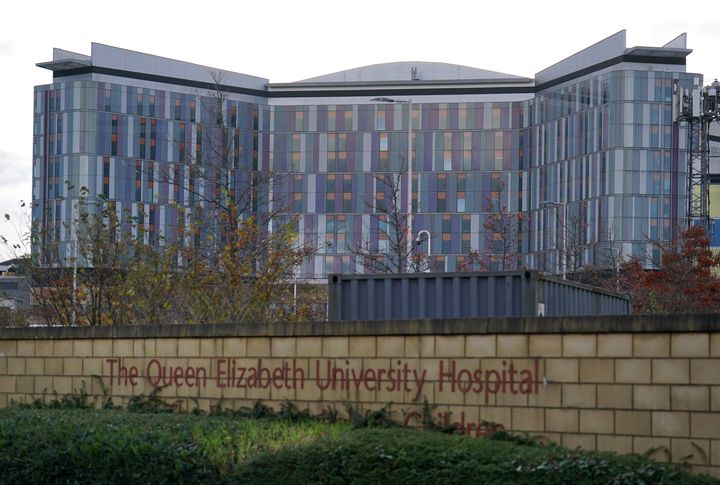
Pressure to open the Queen Elizabeth University Hospital (QEUH) in Glasgow originated from within NHS Greater Glasgow and Clyde (NHSGGC), according to the health board. In a statement released on Saturday, NHSGGC clarified that the project was a public sector capital initiative intended to meet specific timelines and budgets. This assertion came following comments made in the health board’s closing submissions to the Scottish Hospitals Inquiry, where it was stated that there was “pressure” to ensure the facility was operational by 2015.
The inquiry has been scrutinizing the design and construction of both the QEUH and the Royal Hospital for Children (RHC), which share the same campus. It was initiated in 2020 after several deaths linked to hospital-acquired infections, including that of 10-year-old Milly Main in 2017. The total cost of the inquiry has surpassed £31 million.
In its statement, NHSGGC emphasized that the pressure described in the inquiry was “made in general terms” based on evidence indicating internal pressures to complete the project on time and within budget. The board’s then-chief executive, Robert Calderwood, reportedly sought updates on the hospital’s progress, aligning with these objectives.
The statement further noted that evidence presented during the inquiry highlighted issues such as a shortage of staff and resources, which complicated the project. “As a result, there is a general submission made regarding the pressure to open which should be assumed came from within NHSGGC,” the board stated.
The inquiry also revealed that Mr. Calderwood was not aware of significant water-related issues linked to the hospital’s operations until 2021. Consequently, he could not have alerted others, either internally or externally, about these problems before the hospital’s opening.
NHSGGC acknowledged that reopening the QEUH was premature, a conclusion based on information now available. This admission has led to public outrage, particularly from families affected by the hospital’s environmental deficiencies. On Thursday, a joint statement from those families expressed their profound disillusionment, claiming that flaws in the building’s systems had “killed and poisoned our loved ones.”
The statement highlighted the betrayal felt by families who had placed their trust in the health board. “Instead, we were left at the mercy of a hospital with a defective ventilation system and a defective water system,” they stated. This emotional appeal underscored the long-lasting impact of the hospital’s shortcomings on victims and their families.
In response to the inquiry’s findings, NHSGGC issued a “sincere and unreserved apology” to all patients and families affected. The board reassured current patients and the public that ensuring safe care remains their utmost priority. Comprehensive measures have been initiated to address any past defects in the facility, with ongoing maintenance and monitoring programs in place to guarantee the safety and quality of care at both the QEUH and RHC.
Scottish Conservative leader Russell Findlay has called on NHSGGC’s chief, Professor Jann Gardner, to clarify the specifics surrounding the pressures that led to the hospital’s opening. As scrutiny of the health board and its decisions continues, the inquiry into the circumstances surrounding the QEUH remains a critical issue for public health accountability in Scotland.

Moyes Faces Referee Controversy Ahead of Everton vs Chelsea Clash

Man Hospitalised After Assault Outside Shop in Sandwell

Fred MacAulay and Ally McCoist Reunite for Special World Cup Show

NoOnes Targets $1 Trillion Gift Card Market to Enhance Crypto Access

Beloved Actor Matt Clark Passes Away at 89, Fans Mourn Loss

Discover How Milk Thistle Supplements Enhance Liver Health

Irish Community Care Celebrates 60 Years of Support in Liverpool

New Affordable Housing Development Planned for Crawley Site

Millions of Parking Tickets Issued Amid Calls for Reform

Claire Tomlinson Bids Farewell to Sky Sports After 27 Years

Iconic 90s TV Show House Hits Market for £1.1 Million

Tributes Flow for Kerry Gentle, Beloved RNLI Volunteer and Artist

Nathan Cleary’s Family Celebrates Engagement Amid Romance Rumors

Milk Bank Urges Mothers to Donate for Premature Babies’ Health

Shoppers Flock to Discounted Neck Pillow on Amazon for Travel Comfort

Alessia Russo Signs Long-Term Deal with Arsenal Ahead of WSL Season

Nuneaton Town FC Advances Plans for New Stadium in Stockingford

Museums Body Critiques EHRC Proposals on Gender Facilities
-
 Lifestyle6 months ago
Claire Tomlinson Bids Farewell to Sky Sports After 27 Years
-
 Entertainment9 months ago
Iconic 90s TV Show House Hits Market for £1.1 Million
-
 Lifestyle6 months ago
Tributes Flow for Kerry Gentle, Beloved RNLI Volunteer and Artist
-
 Sports11 months ago
Nathan Cleary’s Family Celebrates Engagement Amid Romance Rumors
-
 Lifestyle11 months ago
Milk Bank Urges Mothers to Donate for Premature Babies’ Health
-
 Lifestyle11 months ago
Shoppers Flock to Discounted Neck Pillow on Amazon for Travel Comfort
-
 Sports10 months ago
Alessia Russo Signs Long-Term Deal with Arsenal Ahead of WSL Season
-
 Sports8 months ago
Nuneaton Town FC Advances Plans for New Stadium in Stockingford
-
 Politics11 months ago
Museums Body Critiques EHRC Proposals on Gender Facilities
-

 Lifestyle11 months ago
Exploring England’s Cathedrals: A Journey Through History and Architecture
-

 Business11 months ago
Trump Visits Europe: Business, Politics, or Leisure?
-

 Lifestyle11 months ago
Japanese Teen Sorato Shimizu Breaks U18 100m Record in 10 Seconds